Global rise in commodity prices – unfortunately also affecting our industry.
Dear customers
We thank you for your trust.
Our company always strives to deliver high-quality products and to execute orders reliably.
Unfortunately, we too are now affected by the immensely increasing costs of raw materials and transport (e.g. wood, fabric, etc.).
Due to unforeseen circumstances, we must adjust our prices effective September 1, 2021. This will result in a price increase of approximately 10%.

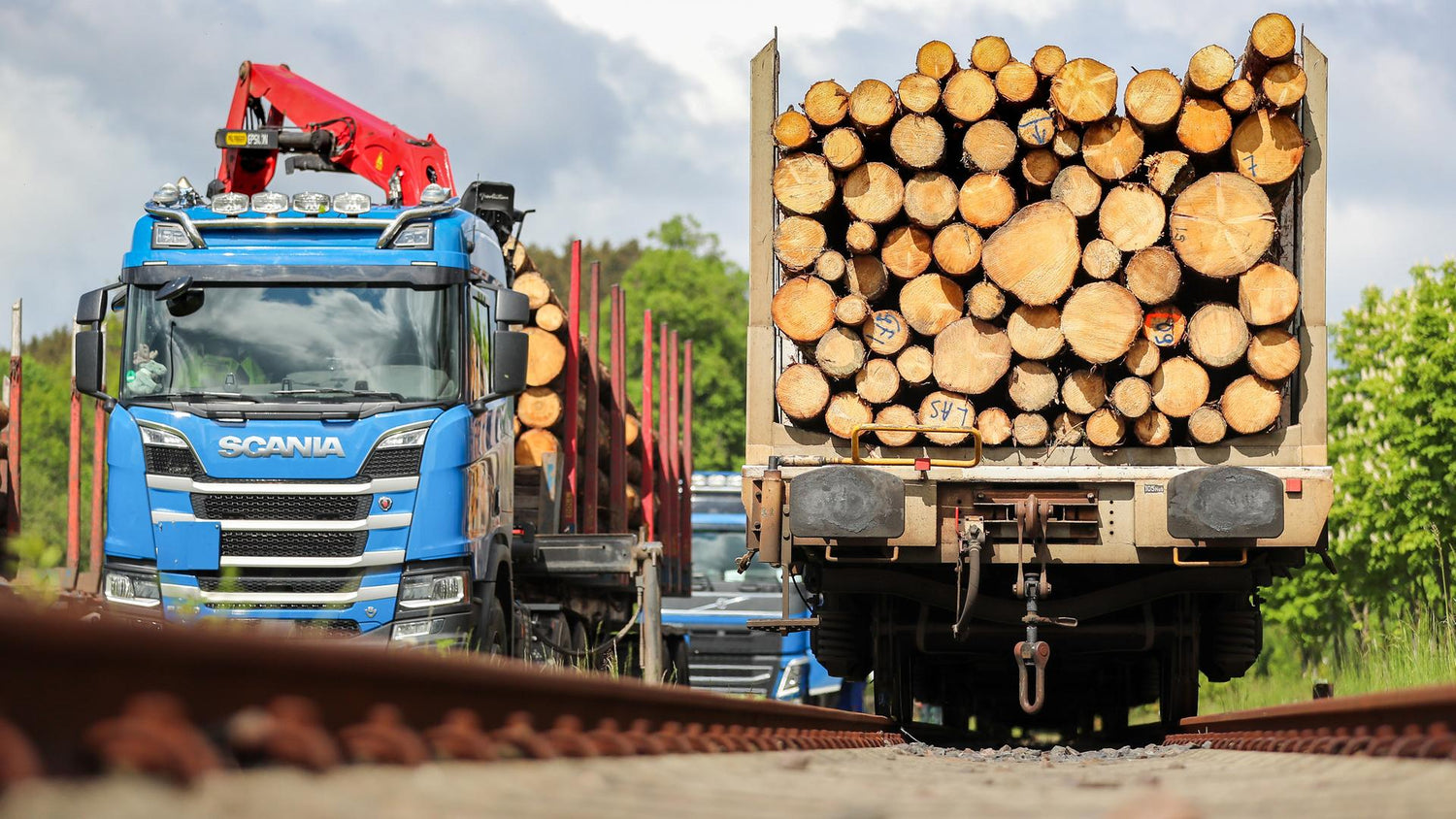
Wood has become increasingly expensive in recent months. Source: dpa
Rising commodity prices – some background information
In many sectors, commodity prices are rising drastically. Should this develop into a longer-term trend, consumer prices could eventually rise as well.
The fact that the dream of owning a home is becoming increasingly unattainable for average earners is something we've all grown accustomed to. At least in metropolitan areas, prices are rising year after year. Not only are affordable plots of land becoming scarce, but tradespeople are also increasingly difficult to find.
And now, prices for building materials are also rising sharply. The Federal Statistical Office reported a price increase of more than a fifth for softwood lumber (roofing battens and construction timber) compared to March 2020. In addition, plastics, copper, and insulation materials are apparently now also in short supply.
Problems across all industries
But it's not just the construction industry suffering from raw material shortages and rising prices. A recent survey by the Munich-based Ifo Institute revealed that 45 percent of German industrial companies are experiencing a lack of parts or materials. Manufacturers of rubber and plastic products are particularly hard hit, with 71.2 percent reporting problems.
For 30 years, the institute has been surveying companies every three months about shortages of parts or materials – but never before has the proportion of affected companies been even remotely as high. "This new bottleneck could jeopardize the industrial recovery," warned Ifo expert Klaus Wohlrabe.
Bank of America warns of hyperinflation
Rising commodity prices could ultimately make many products more expensive for consumers. Whether this happens depends primarily on how long the commodity shortage lasts and how strongly the global economy recovers after the crisis.
Bank of America has already taken the lead, warning of "temporary hyperinflation." Other experts are more relaxed and currently see only temporary effects. In any case, it's worth remaining vigilant regarding inflation. Often, one thing leads to another, and chain reactions could ultimately make life more expensive in many areas.
Source: ZDF