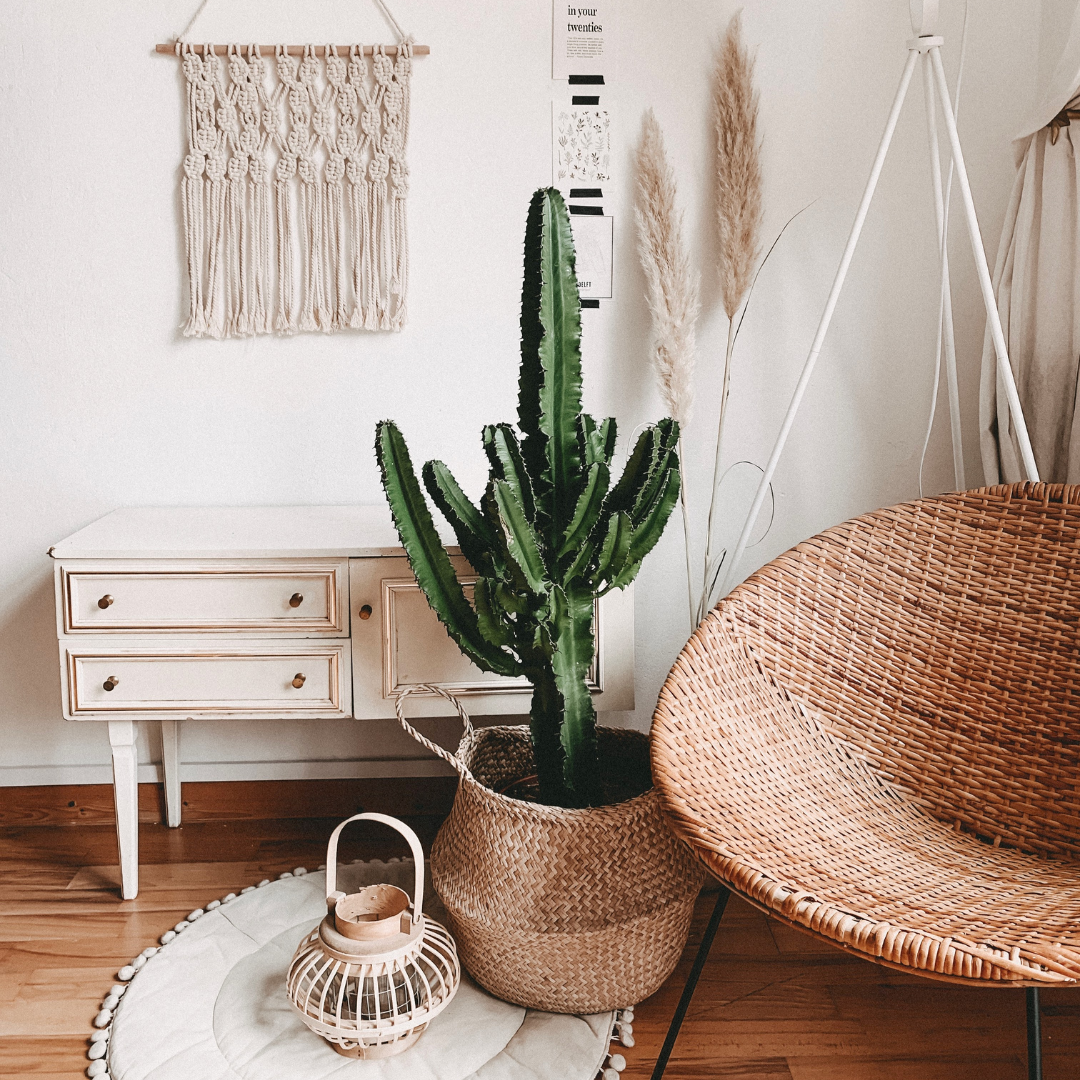
Colors have an amazing ability to influence your mood and well-being. In your living spaces, where you spend most of your time, their effect plays a crucial role. The psychology of color is a fascinating field that shows us how colors can affect our emotions and even our behavior.
The Psychology of Colors
Color psychology is a scientific discipline that studies how colors affect us on a mental and emotional level. Each color has a unique effect and can evoke different reactions. Some colors can be calming and relaxing, while others can boost energy levels and capture our attention. Understanding how colors influence your mood is important in order to create the right atmosphere in your living spaces.
How colors affect our mood
Dark colors like blue and green can have a calming effect and help reduce stress. They are ideal for bedrooms or rooms where you want to relax. Lighter colors like yellow and orange, on the other hand, can lift your mood and boost your energy. They are well-suited for rooms where you want to be active, such as the living room or study.

The meaning of individual colors
Each color has its own meaning and can evoke different associations. Yellow, for example, represents optimism and joy, while blue conveys a feeling of calm and peace. Red, on the other hand, symbolizes passion and energy. It's important to consider the meaning of individual colors to create the desired atmosphere in your room.
The color green is often associated with nature and can have a calming effect. It represents freshness, growth, and harmony. Green is well-suited for spaces where you want to relax and connect with nature, such as a conservatory or a yoga room.
The color purple is often associated with creativity and spirituality. It can create a mysterious and enigmatic atmosphere. Purple is well-suited for spaces where you want to find inspiration and express your artistic side, such as a studio or a meditation room.
The color brown represents stability and groundedness. It can create a warm and cozy atmosphere. Brown is well-suited for rooms where you want to feel secure, such as a living room or a dining room.
The color gray is often associated with neutrality and elegance. It can create a calm and balanced atmosphere. Gray is well-suited for rooms where you want to concentrate and relax, such as an office or a bedroom.
The color white represents purity and clarity. It can create a bright and airy atmosphere. White is well-suited for rooms where you want to refresh yourself and clear your mind, such as a bathroom or a study.
Colors and their effect in different rooms
The effect of colors can vary depending on the room. It is important to choose the right colors for each room to create the desired atmosphere.
Colors in the bedroom
In the bedroom, it's important to create a relaxed and calming environment. Blue and green hues are ideal for creating a tranquil atmosphere and promoting restful sleep.
The color blue symbolizes peace and serenity. It can lower the heart rate and blood pressure, thus contributing to restful sleep. Green hues represent harmony and balance and can also have a calming effect.
To achieve the desired atmosphere in the bedroom, you can use different shades of blue and green. From a soft sky blue to a deep emerald green, there are many ways to design the room.
Colors in the living room
The living room is where you relax and entertain your guests. Warm colors like beige and brown can create a cozy and inviting atmosphere. Accent colors like red or yellow can add energy to the room and serve as eye-catchers.
Beige and brown are neutral colors that have a calming effect and can make a room appear larger and more open. They are well-suited as base colors for walls and furniture. Red or yellow accent colors can add vibrancy to the room and create an interesting contrast.
It is important to carefully select the colors in the living room to create a harmonious atmosphere. Too many strong colors can make the room appear cluttered, while too little color can make the room seem dull.

Colors in the kitchen
In the kitchen, it's important to create a bright and clean environment. White and light colors give the room a fresh and clean look. Accent colors like blue or green can lift the mood and be inspiring while cooking.
White symbolizes cleanliness and purity, making it a popular choice for kitchens. It reflects light, making the room appear larger and more open. Light colors like yellow or pastel shades can also create a cheerful and inviting atmosphere.
To make the kitchen more interesting, you can use accent colors like blue or green. These colors can lift the mood and create an inspiring environment for cooking.
Choosing the right colors for your home
When choosing colors for your living spaces, you should also consider how colors interact with light. Colors can appear different depending on the angle of the light. It's important to test samples and observe the colors under various lighting conditions.
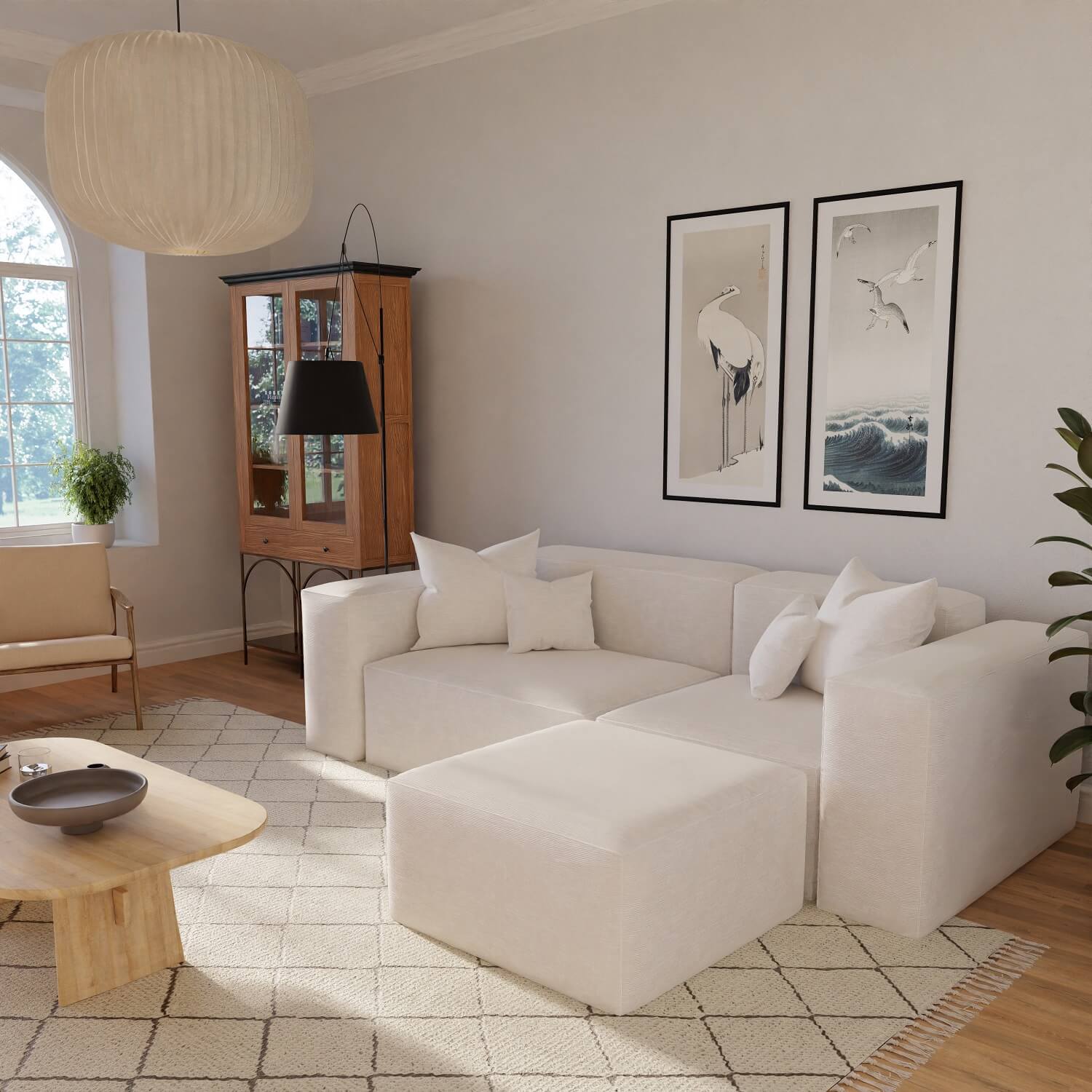
Choosing the right colors for your home can greatly influence the atmosphere and mood of your rooms. There's a wide variety of colors to choose from, ranging from warm and cozy tones to cool and calming shades. For the living room, we recommend a sofa with washable and replaceable covers . These have the advantage of allowing you to change the color at any time thanks to replacement covers , adapting it to your needs.
Light colors can make rooms appear larger and airier, while dark colors can make a room seem smaller and cozier. The position of windows and the type of lighting can also influence the effect of colors. For example, if you have a room with little natural light, light colors can help reflect the light and make the room appear brighter.
The choice of colors should also harmonize with the desired interior design style. Classic styles may call for more neutral colors, while more modern styles allow for bolder and more vibrant colors. If you prefer a minimalist style, you could opt for a palette of neutral tones such as white, gray, and beige. However, if you like a bohemian style, you could choose more vibrant colors such as turquoise, orange, and pink.
It's also important to consider the colors in the different rooms of your house. Each room has its own function and mood, and the color choices should reflect this. In a bedroom, you might want to choose calming and relaxing colors, while in a living room, more vibrant and inviting colors might be more suitable.
If you're unsure, you can find inspiration in color palettes created by professional interior designers. There are also numerous online tools and apps that can help you choose the right colors for your home. Additionally, some providers allow you to virtually place a sofa in your living room to find the perfect color. Don't forget to test samples or order free paint or fabric swatches and see how the colors look in the rooms where you plan to use them.
Choosing the right colors for your home is a personal decision, all about creating the desired atmosphere and mood. Take your time to explore different color options and select the ones that best suit your style and preferences. With the right colors, you can transform your living spaces into true havens of well-being.
Practical tips for using paints
When it comes to the application of colors, there are some useful tips that can help you make the most of your color choices.
Colors play a crucial role in room design. They can influence mood, create atmosphere, and visually transform a space. But how do you combine colors effectively, and how can you use accent colors to give a room personality?
How to effectively combine colors
Combining colors can sometimes be challenging. It's important to choose colors that harmonize and complement each other. Color charts and fabric swatches can help you try out different color combinations and make the right choice for your room.
There are various color schemes that can help you choose and combine colors. One popular scheme is the monochrome color scheme, which uses different shades of a single color to create a harmonious and elegant look. Another color scheme is the complementary color scheme, which uses colors that are opposite each other on the color wheel and create a strong contrast.
When choosing colors, you should also consider the room size and lighting conditions. Light colors can make a room appear larger and more open, while dark colors can make a room cozier and more intimate.

The role of accent colors
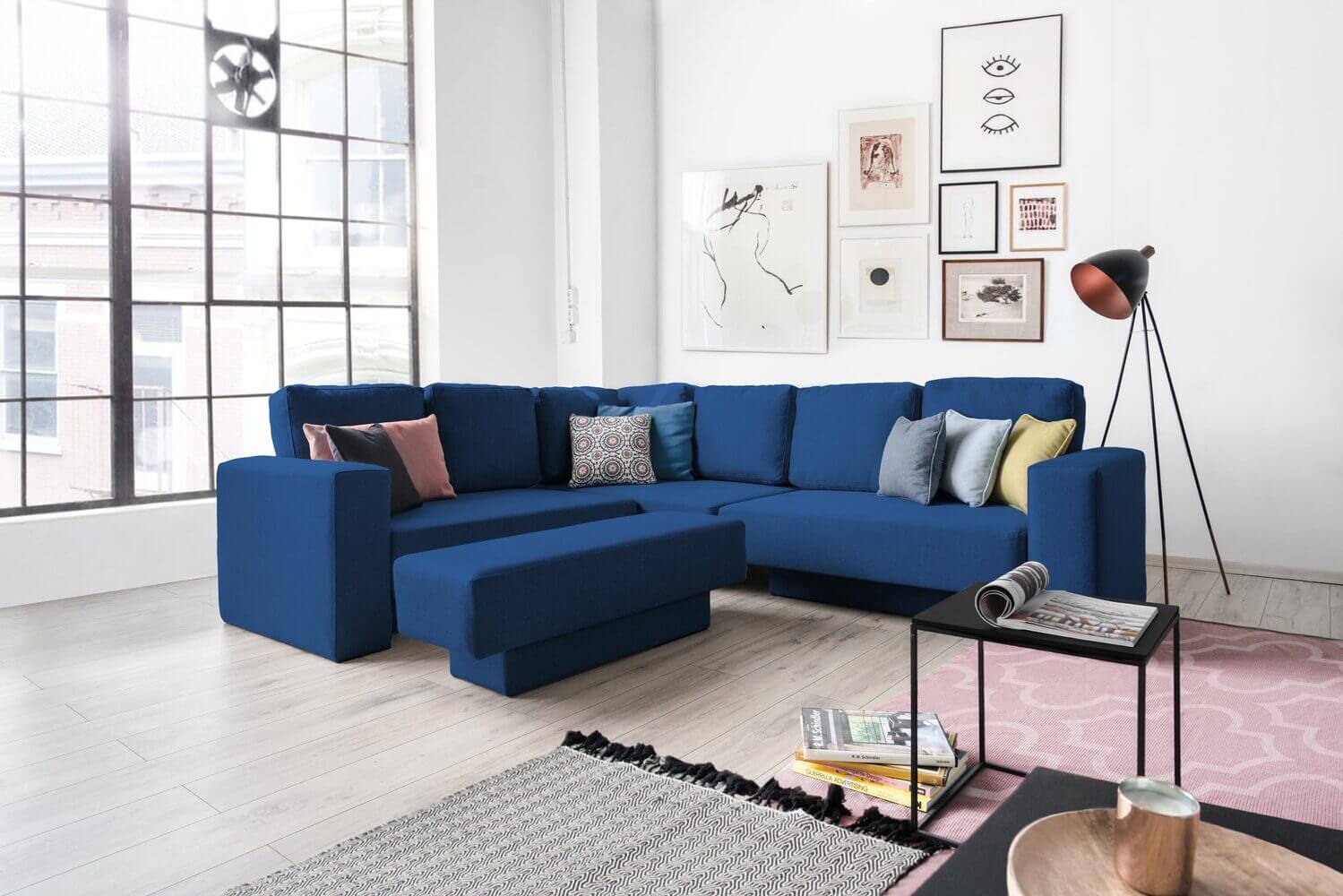
Accent colors can brighten a room and give it personality. You can incorporate them through accessories like pillows , rugs , or wall art. Accent colors can make a room more interesting and vibrant.
When choosing accent colors, you should select colors that harmonize well with and complement the main color. You can also use different textures and patterns to enhance the visual effect.
A popular way to introduce accent colors is through the use of color splashes. These are small areas or objects in the room that are painted or designed in a contrasting color. For example, a wall in a neutral room could be painted in a bold color to create a focal point. Another option for adding color to your living space is a sofa with interchangeable covers . With these, you can mix and match different covers and easily update your living space by changing the upholstery. To choose the perfect color accents, we recommend configuring your sofa to suit your needs.
Remember that colors are a personal choice and there are no strict rules. Experiment with different color combinations and find out what works best for your space.
Case studies: Colors in interior design
There are many examples of successful color applications in interior design that can provide inspiration.
The use of color in interior design is an art form that can significantly influence the mood and atmosphere of a room. Through the right selection and combination of colors, spaces can be designed to be harmonious and appealing.
Examples of successful color applications
A successful combination of colors can completely transform the atmosphere of a room. For example, a yellow wall in a dining room can create a cheerful and inviting atmosphere.
Another example of successful color application is the use of blue in bathrooms. Blue is often associated with peace and relaxation and can therefore create a calming atmosphere that is perfect for a place of rest.
An interesting example of creative color application is the use of contrasting colors. By combining two opposing colors, such as black and white, an exciting visual interplay is created that makes the room appear vibrant and modern.
How colors can change a room
It's fascinating to observe how colors can completely transform a room. In a small room, light colors can make it appear larger and more open, while dark or intense colors can make the room feel cozier.
Green tones are often associated with nature and freshness and are therefore well suited for rooms where a relaxed and natural atmosphere is desired, such as a living room or a conservatory.
Colors play a more significant role in our living spaces than we might realize. Choosing and combining the right colors can not only influence our mood but also transform the room itself. By understanding the psychology of color and applying practical tips, you'll be able to create a welcoming and inviting atmosphere in your home.
It's also important to note that color isn't limited to walls and surfaces. The use of colorful accessories like cushions, curtains, or rugs can also greatly influence the atmosphere of a room.
Another aspect to consider when using color in interior design is the effect of daylight. Natural light can influence the perception of colors and thus change the overall impression of a room. Therefore, it's important to choose colors based on the lighting conditions.
Using color in interior design is a creative way to design spaces and give them a personal touch. By trying out and experimenting with different color combinations, you can give your rooms an individual and unique atmosphere.