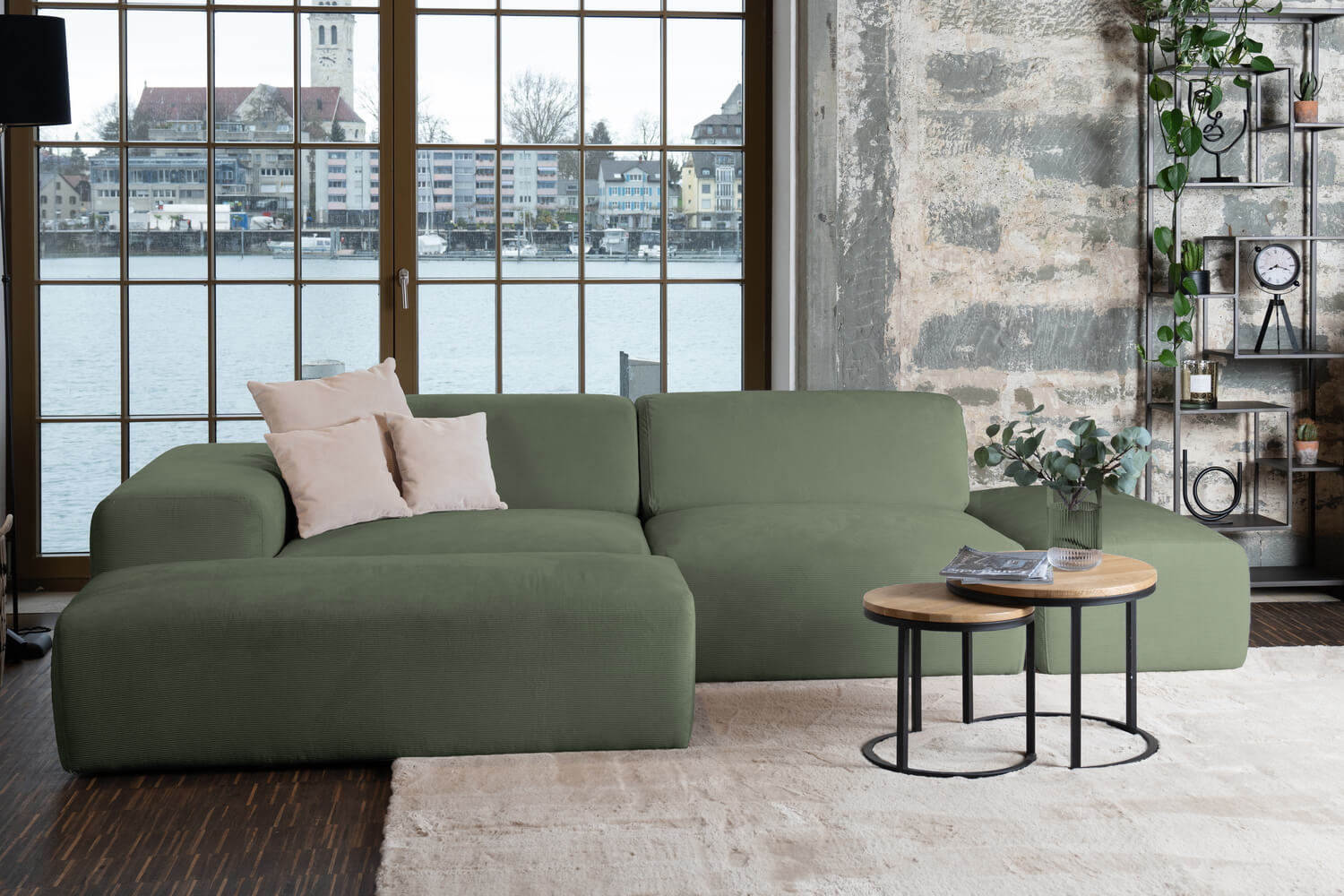
Are you aware of how important it is to protect your flooring? Many people neglect this crucial aspect of home maintenance. However, floor damage can be expensive and time-consuming to repair. That's why I've compiled some valuable tips on how to effectively protect your floor.
Why is floor protection important?
Before we turn to the different types of floor protection, let's first talk about the importance of floor protection. Damage to the floor can have a variety of unpleasant consequences. Not only does a damaged floor look unsightly, but it can also affect your health and compromise the safety of your premises.
The effects of damage to the floor
Damaged flooring can create tripping hazards and lead to accidents. Furthermore, it can compromise the structural integrity of your home. Moisture can penetrate damaged flooring and cause mold growth. Additionally, damaged flooring can shorten the lifespan of the underlying floor covering.
The advantages of a well-protected floor
By effectively protecting your floor, you can avoid all these problems. A well-protected floor is not only safer, but also looks more attractive and retains its original appearance for a longer period. Furthermore, you'll save yourself the hassle of repairs and the associated costs.
Floor protection is an important aspect of building care and maintenance. There are various methods to protect floors from damage, depending on the type of flooring and the room's use. A common method is the use of floor protection films, which shield the floor from scratches, dirt, and moisture.
Another important aspect of floor protection is the regular cleaning and maintenance of the flooring. Depending on the flooring material, special cleaning agents and methods may be necessary to extend the flooring's lifespan and preserve its appearance. Regular cleaning can also help maintain the floor's slip resistance and thus prevent accidents.
Different types of floor protection
Now that we understand why floor protection is important, let's look at the different types of floor protection you can use.
Felt floor protectors
A simple and effective way to protect your floor is to use felt pads under furniture, such as your sofa . These pads provide a buffer between the furniture and the floor, preventing scratches and scuffs. Don't forget to check the felt pads regularly and replace them as needed to maintain their effectiveness.
Carpet as floor protection
A rug or runner is not only a stylish addition to your room, but also effective floor protection. A rug provides an extra layer of protection against scratches and damage. Make sure the rug is properly placed and cleaned regularly to ensure optimal effectiveness. Unsure how to clean your rug? Here are some tips for you: Rug Cleaning
Here is an example with the modular sofa Tamara and the rug Logan :

Floor mats
Especially in high-traffic areas like entryways, hallways, and kitchens, floor mats can be an excellent choice for protecting your flooring. They trap dirt and moisture, preventing them from accumulating and causing damage. Be sure to clean the mats regularly to maintain their effectiveness.
Liquid-repellent coatings for floors
Another way to protect your floor is with special liquid-repellent coatings. These coatings can be applied to various types of flooring to protect them from spills and stains. They form a protective layer that prevents liquids from penetrating the floor and damaging it. It's important to renew the coating regularly to maintain its effectiveness.
Polished concrete as a durable flooring solution
Polished concrete is a robust and durable flooring option. This flooring is not only aesthetically pleasing but also extremely hard-wearing and easy to clean. Polished concrete can be designed in various colors and patterns and is suitable for both indoor and outdoor use. It offers a modern and low-maintenance flooring solution for residential and commercial spaces.
Proper cleaning for different floor types
Besides using protective devices, proper cleaning is crucial to keeping your floor in top condition. Here are some specific cleaning tips for different types of flooring:
Cleaning tips for wooden floors
- Vacuum or sweep the floor regularly to remove dirt and dust.
- Use a special cleaning agent for wooden floors and clean the floor with a damp, not wet, mop.
- Avoid harsh cleaning agents or excessive scrubbing, as this can damage the wooden floor.
- Protect wooden floors from direct sunlight to prevent discoloration.
How to clean carpets properly
Carpets require regular cleaning to remove dust, dirt, and stains. Here are some steps you should follow to clean carpets properly:
- Vacuum the carpet regularly to remove dust and dirt.
- Treat stains immediately by gently wiping them with a clean cloth and a stain remover.
- If necessary, you should also have the carpet professionally cleaned to ensure stubborn stains and a thorough cleaning.
Discover our modular sofas with washable and interchangeable covers.
Care and cleaning of tiled floors
Tile floors are durable and relatively easy to care for, but they still require regular cleaning and maintenance. Here are some simple steps to keep tile floors clean and in good condition:
- Sweep or vacuum the floor regularly to remove dirt and dust.
- Use a mild tile cleaner and clean the floor with a mop or sponge.
- Avoid abrasive cleaning agents or hard brushes, as these can damage the surface of the tiles.
- Dry the floor thoroughly after cleaning to avoid water stains.
It's also important to note that different types of flooring have different maintenance requirements. For example, wood floors may need special treatment from time to time to maintain their natural beauty and durability. This can include applying wood care products or regular polishing. Carpets can also benefit from professional deep cleaning to remove embedded dirt and odors.
For tiled floors, it's advisable to regularly clean the grout between the tiles to prevent mold or mildew growth. This can be done with a mild solution of water and vinegar or a special grout cleaner. Furthermore, it's important to protect the floor from heavy objects or sharp edges to avoid scratches or cracks.
More tips on caring for and protecting your floor
Apart from the methods mentioned above, there are a few more tips you should consider to protect your soil as best as possible:
Avoiding scratches and wear
Use felt pads under the legs of furniture, such as your sofa or coffee table , to prevent scratches on the floor when moving or repositioning them. Also, avoid placing furniture with sharp edges directly on the floor; use coasters or tablecloths to prevent damage.
Handling stains and spills
It is inevitable that stains and spills will occur from time to time. When this happens, act quickly and clean them up immediately. Use suitable cleaning agents for the specific type of flooring and take care not to work the stain into the floor.
The role of furniture in floor protection
Furniture plays an important role in protecting your floors. Using felt pads, rugs , and coasters will help ensure your furniture doesn't damage the floor. Also, be careful not to move heavy furniture roughly to avoid scratches. If necessary, ask for help to lift and move furniture safely.
By following these tips, you can effectively protect your flooring and extend its lifespan. Regular cleaning and careful handling of furniture are crucial for keeping your floor in the best possible condition. Don't miss the opportunity to protect your flooring and create a beautiful and safe home!
It's also important to maintain your floor regularly to preserve its beauty and quality. Depending on the type of flooring, there are different maintenance methods you can use. For example, a wooden floor needs regular waxing to maintain its natural beauty and protect it from moisture. A tile floor, on the other hand, requires regular mopping and occasional application of tile sealant to prevent stains and wear.
Another important aspect of floor care is controlling humidity. High humidity can damage wood floors, causing warping or cracking. Therefore, use a dehumidifier to reduce moisture in rooms with wood floors. For tile floors, it's important to regularly clean and seal the grout to prevent moisture from penetrating.