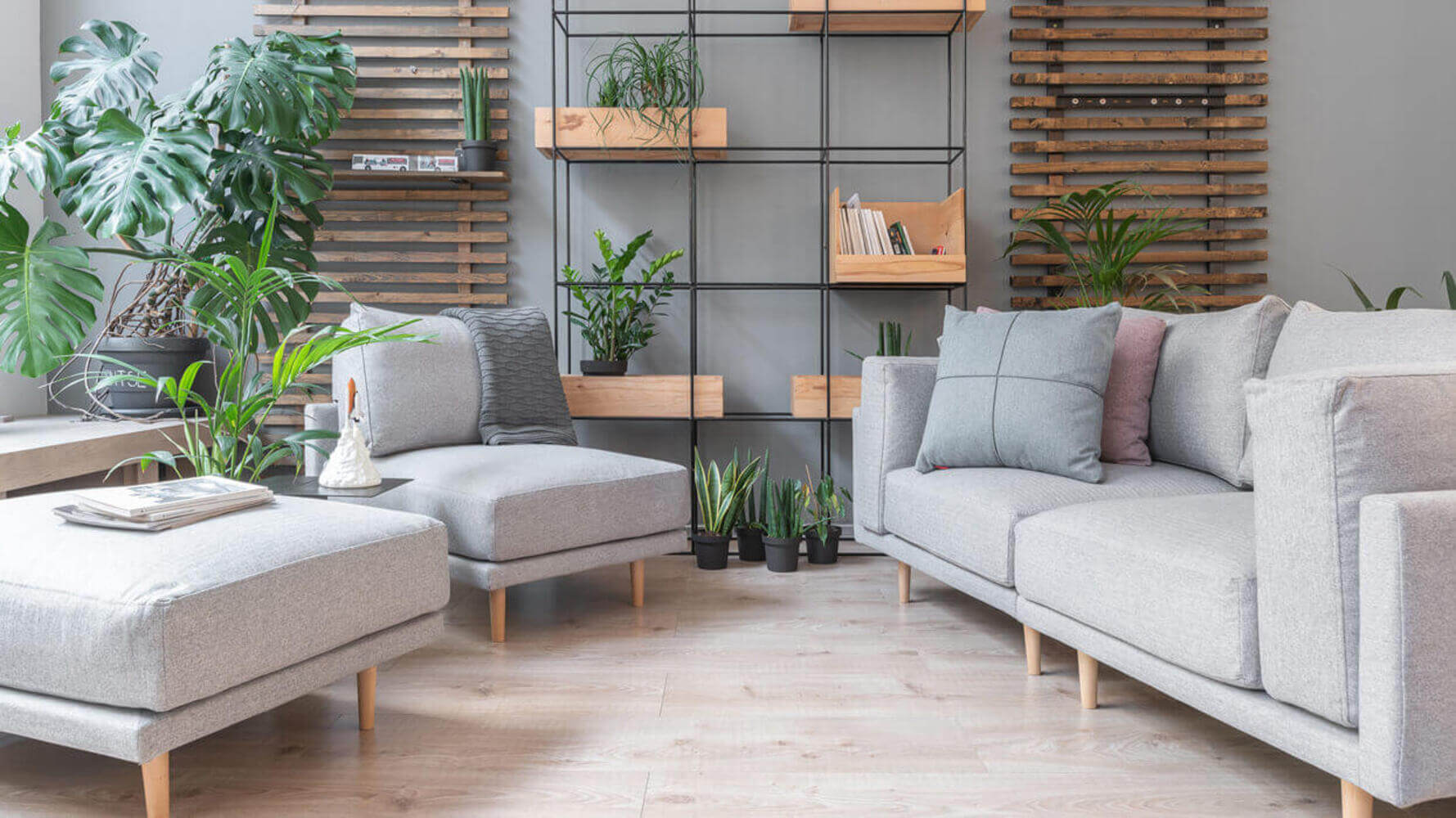
In today's world, more and more people suffer from allergies. One of the most common allergies that many struggle with is dust mite allergy. But did you know that even your sofa can trigger allergic reactions? In this article, you'll learn which sofas are suitable for allergy sufferers and how to keep your furniture clean and allergen-free.
What is a dust mite allergy?
Before we delve into choosing the right sofa, let's first understand what a dust mite allergy actually is. A dust mite allergy is a hypersensitivity reaction of the immune system to certain components of house dust, such as mite droppings. Allergic reactions can manifest as sneezing, itchy eyes, coughing, breathing difficulties, and much more.
A dust mite allergy can significantly impact daily life. People suffering from this allergy must be constantly vigilant to keep their symptoms under control. It is important to understand the causes and symptoms of a dust mite allergy in order to take appropriate measures.
Causes and symptoms of a house dust allergy
The causes of a dust mite allergy lie in the tiny dust mites that live in our homes, especially in our mattresses, upholstery, and sofas. These tiny creatures feed on dead skin cells and multiply in warm and humid environments.
The symptoms of a dust mite allergy can vary from person to person. Some people suffer from a stuffy nose and sneezing fits, while others struggle with itchy eyes and skin rashes. In some cases, a dust mite allergy can lead to severe breathing difficulties and asthma.
It is important to note that house dust allergies can occur all year round, as house dust mites live indoors and are not dependent on seasonal influences.
Diagnosis and treatment of house dust allergies
To diagnose a dust mite allergy, you should see an allergist. They can make an accurate diagnosis using skin tests or blood tests. It's important to identify the exact triggers of the allergy in order to take appropriate preventative measures.
Treatment for a dust mite allergy typically involves avoiding dust mites. This can be achieved through regular vacuuming, washing bedding at high temperatures, and using allergen-proof covers for mattresses and pillows. Antihistamines can also be taken to relieve symptoms.
In some cases, immunotherapy may be recommended. This involves gradually administering increasing doses of the allergen to the body to build up a tolerance. This can help reduce the severity of allergic reactions over time.
It is important for people with dust mite allergies to keep their environment clean and dust-free . Regular dusting, vacuuming, and airing out rooms can help reduce the number of dust mites and alleviate symptoms.

Choosing the right sofa for allergy sufferers
An important step in managing your dust mite allergy is choosing the right sofa. You should pay particular attention to the materials that can trigger allergies.
If you suffer from a dust mite allergy, you'll want to make sure your sofa doesn't trigger any allergic reactions. Certain materials are known to attract allergens and thus worsen your symptoms. Therefore, it's advisable to avoid sofas made of such materials.
Materials that can trigger allergies
Certain materials can trigger allergic reactions. These include, for example, sofas made of synthetic fabrics such as polyester or acrylic. These materials can attract house dust and other allergens. If you choose a sofa made of such a material, you risk constantly experiencing allergic reactions.
Another material that can trigger allergies is leather. Although leather is often considered durable and easy to care for, it can cause allergic reactions in some people. The tanning and treatment of leather can involve chemicals that can trigger allergic reactions.
Recommended sofa materials for allergy sufferers
If you suffer from a dust mite allergy, it's advisable to choose sofas made from allergy-friendly materials . Natural fibers like cotton and linen are good options, as they attract less dust. These materials are hypoallergenic and can help reduce your allergy symptoms.
Another important aspect when choosing a sofa for allergy sufferers is ease of cleaning. Sofas with removable and washable covers are ideal for regular cleaning. By washing the covers regularly, you can effectively remove dust and allergens, thus alleviating your symptoms.
It's also advisable to look for sofas with antimicrobial properties. These sofas have special coatings that can inhibit the growth of bacteria and mold. This can help reduce the allergen load in your home.
Ultimately, it's important to thoroughly inspect the sofa before buying it. Pay attention to any seams or crevices where dust and allergens could accumulate. A sofa with smooth surfaces and few hiding places for dust is ideal for allergy sufferers.
Care and cleaning of sofas for allergy sufferers
Regularly cleaning your sofa is crucial to remove allergy-triggering substances and thus alleviate your symptoms.
To combat dust mites and other allergens, you should vacuum your sofa regularly . Ideally, use a vacuum cleaner with a HEPA filter, which traps even the smallest particles. Also, be sure to wash the cushions and covers regularly to remove dust and mites.
When cleaning your sofa, use allergy-friendly cleaning products. Avoid harsh chemicals and opt for environmentally friendly and hypoallergenic products instead. Make sure they are specifically designed for cleaning sofas.
It's also important to regularly clean the inside of your sofa. Dust mites can accumulate in the upholstery and cushions and cause allergic reactions. One way to do this is to use a steam cleaner. The hot steam not only kills mites but also removes dirt and stains. Make sure you use the steam cleaner according to the manufacturer's instructions to avoid damaging the sofa.
Another tip for cleaning sofas suitable for allergy sufferers is to use allergen-proof covers. These special covers protect the sofa from dust mites and other allergens by creating a protective barrier. They can be easily slipped over the existing covers and washed regularly to ensure optimal hygiene.
In addition to regular cleaning, it's also important to consider the indoor climate. Keep the humidity in your home low, as dust mites thrive in damp environments. If necessary, use a dehumidifier to control the humidity. Ventilate your home regularly to let in fresh air and reduce allergens.
If you have pets, you should also make sure they don't sleep or lie on the sofa. Pet hair and dander can trigger allergic reactions. Train your pets to have their own comfortable spots and keep them away from your sofa to minimize allergy symptoms.
Further considerations for an allergy-friendly home
Besides choosing the right sofa, there are other measures you can take to make your home allergy-friendly.
Allergy-friendly carpets and curtains
Carpets and curtains can trap allergens like dust and pollen. Therefore, choose allergy-friendly options that are easy to clean. It's best to avoid heavy curtains and opt for carpets with a short pile. This will make removing allergens much easier.
A tip for allergy-friendly carpets is to use natural fibers such as sisal or cotton. These materials are less susceptible to dust and mites than synthetic carpets. They are also environmentally friendly and contribute to a pleasant indoor climate.
For curtains, you should opt for materials like cotton or linen, as they attract less dust than heavy fabrics like velvet or velour. Lightweight curtains are also easier to clean and offer less surface area for allergens to accumulate.
Air purifiers and other helpful devices
An air purifier can help rid the air in your home of allergens. When choosing one, look for models with HEPA filters. These filters are particularly effective at removing fine particles such as pollen, pet dander, and dust mites.
Another tip is to use humidifiers, especially during the dry winter months. Dry air can irritate mucous membranes and worsen allergy symptoms. A humidifier ensures optimal humidity and can thus improve the well-being of allergy sufferers.
Special mattress and pillow covers can help keep allergens out. These covers are equipped with a special membrane that prevents allergens from penetrating the mattress or pillow. This reduces the risk of allergic reactions during sleep.
Another helpful tip is to regularly clean the air filters in your air conditioners and heating systems. These filters can become clogged with dust and other allergens over time, negatively impacting the air quality in your home. Regular cleaning or replacement of the filters ensures optimal performance and reduces the risk of allergy symptoms.
Personal experiences and recommendations
To help you choose the right sofa, we would like to share some personal experiences from allergy sufferers as well as recommended sofa brands.
It's especially important for allergy sufferers to pay attention to certain materials and properties to avoid potential allergic reactions. It's always interesting to hear from other allergy sufferers about how they manage their dust mite allergy and which sofas they've found work best for them. Feel free to read testimonials and exchange information with other affected individuals.
For example, one allergy sufferer reports having had very good experiences with a leather sofa. Leather is naturally hypoallergenic and easy to clean, which is particularly beneficial for allergy sufferers. Another person swears by sofas with removable and washable covers , as these can be cleaned regularly to prevent the accumulation of dust mites.
Discover our sustainable sofas with washable and replaceable covers:
Top sofa brands for allergy sufferers
There are several sofa brands that specialize in allergy-friendly furniture, such as Livom. These brands use high-quality materials and often offer special allergy-friendly options.
Livom places great emphasis on using allergy-friendly fabrics and offers sofas with washable covers to create the most dust-free environment possible. Furthermore, the sofas feature a high-quality construction with an integrated protective layer. Thanks to the various layers and the protective fabric layer, the sofas are ideally suited for allergy sufferers.
When choosing an allergy-friendly sofa, it's important to consider individual needs and preferences. Some allergy sufferers prefer sofas with smooth surfaces that are easy to clean, while others opt for sofas with breathable fabrics that allow for good air circulation.
Conclusion
When choosing the right sofa for allergy sufferers, it's important to look for allergy-friendly materials and clean it regularly. A dust mite allergy doesn't have to mean you have to forgo comfortable and stylish furniture. With the right sofas and a good care routine, you can continue to enjoy an allergy-friendly home.
There are several materials that are particularly well-suited for allergy sufferers. One popular material is leather . Leather is naturally hypoallergenic and easy to clean. It's a good choice for people with dust mite allergies because it doesn't accumulate dust particles. Furthermore, leather is durable and long-lasting, so you'll be able to enjoy your sofa for a long time.

Besides leather, there are other allergy-friendly materials such as microfiber or special allergy-friendly fabrics. These materials are often coated with a special finish that prevents allergens from penetrating. They are easy to clean and still offer a high level of comfort.
To ensure your sofa remains allergy-friendly, you should clean it regularly. Vacuuming is a good way to remove dust and allergens. Ideally, use a vacuum cleaner with a HEPA filter, which effectively captures even the smallest particles. You should also regularly wipe the sofa with a damp cloth to remove any remaining allergens.
Another tip is to air out the sofa regularly. Regular ventilation regulates humidity and removes potential allergens from the air. Simply open the windows regularly and let fresh air flow into the room.
It is also advisable to use allergy-friendly covers for the sofa. These covers are often made of special materials that prevent allergens from penetrating. They can be easily removed and washed to ensure optimal hygiene.
If you choose an allergy-friendly sofa and clean it regularly, you can continue to enjoy a cozy and stylish home without your allergies being affected. Simply pay attention to the right materials and a good care routine to create an allergy-friendly living room.