Although they spend most of their day sleeping, we often don't pay enough attention to our dogs' sleeping area. However, a comfortable and cozy place to sleep is crucial for the well-being and health of our furry friend. In this article, we'll give you tips and recommendations to help you find the ideal sleeping spot for your dog.
Choosing the right sleeping place for your dog
One of the most important decisions you'll have to make is choosing the right sleeping place for your dog. There are several factors to consider:
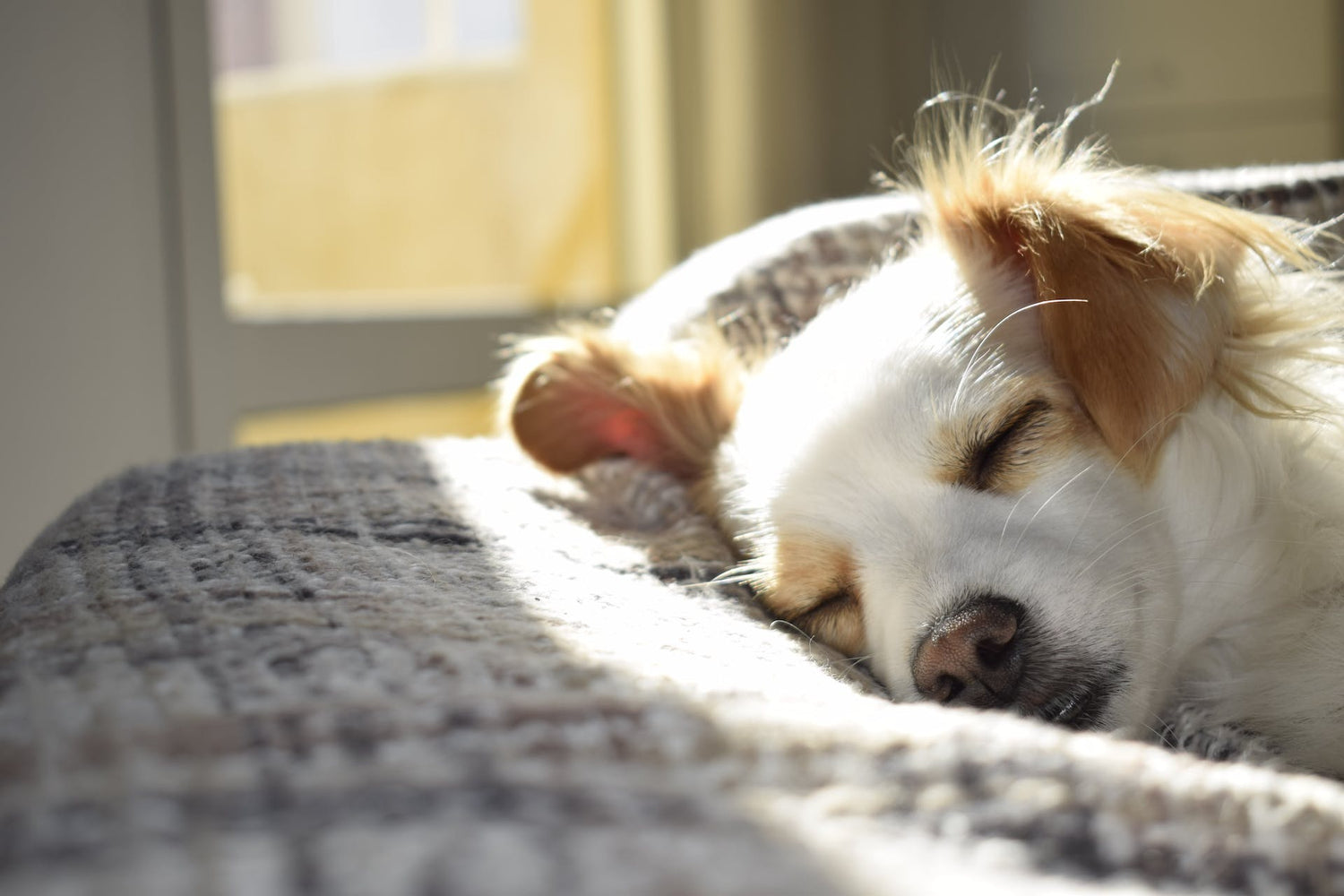
A good sleeping place is very important for your dog. It's essential that he feels safe and secure there. The sleeping area should be quiet and shielded from noise to allow your dog to sleep undisturbed. It's also advisable to use soft and comfortable bedding to prevent pressure sores and joint problems.
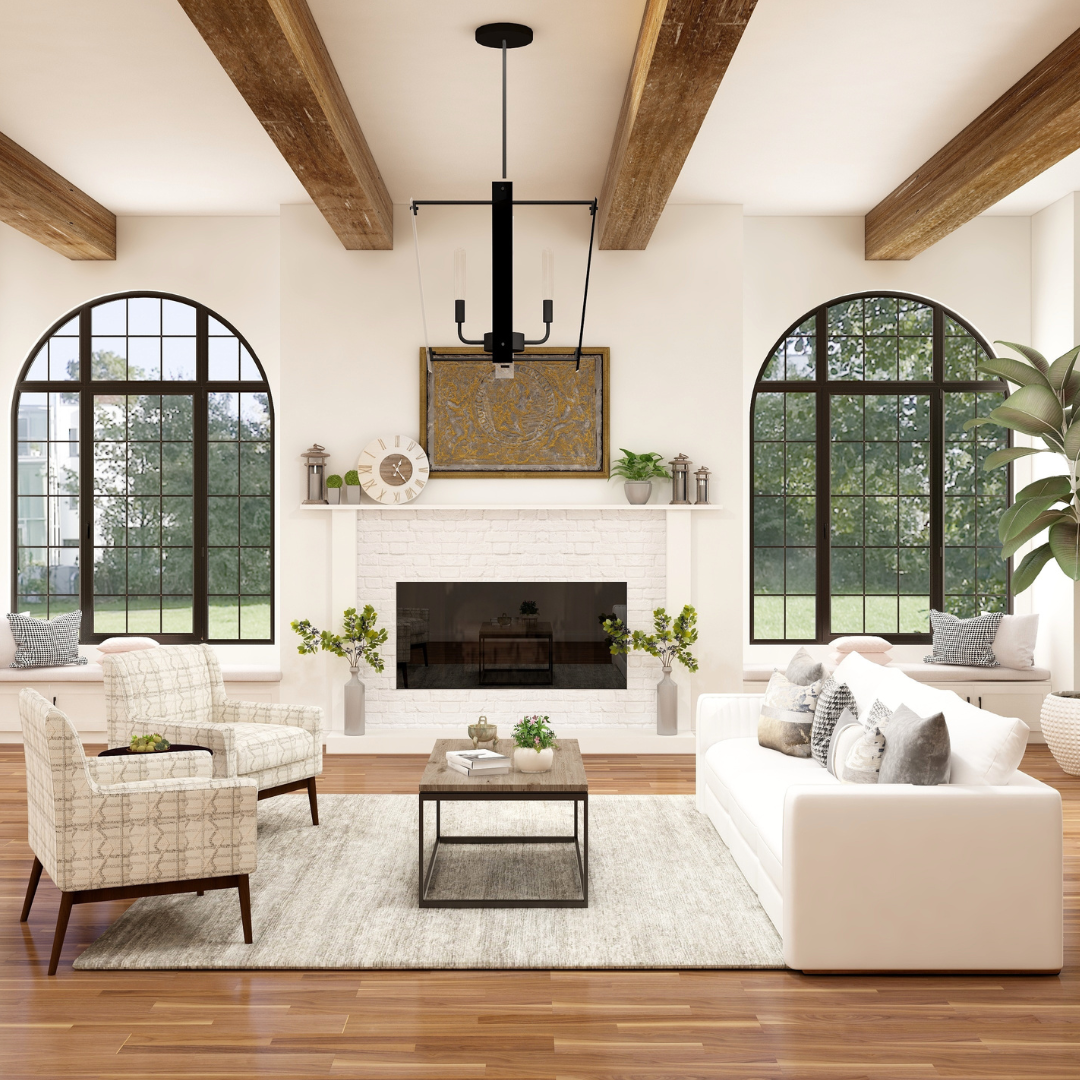
There are various ways to create the ideal sleeping space for your dog. The living room is a popular choice. Here are some tips for setting up the perfect sleeping space in your living room:
- Choose a location that is quiet and shielded from noise.
- Place the dog bed or blanket in a location where your dog can see you to provide a sense of security.
- Use soft and comfortable surfaces to avoid pressure sores and joint problems.
Another place you can consider is the bedroom. Whether or not your dog should sleep in the bedroom depends on you and your preferences. Here are some pros and cons:
- Advantages:
- Your dog feels safe and secure.
- It strengthens the bond between you and your dog.
- It can be reassuring to have your dog nearby at night.
- Disadvantages:
- Snoring or excessive movement by your dog can lead to restlessness and sleep disturbances.
- It can worsen allergies or asthma if you are sensitive.
An often overlooked area for a dog's sleeping space is the hallway. However, the hallway can be a good choice, as it's quiet and offers your dog protection and privacy. Furthermore, the hallway can facilitate access to other rooms, as it often serves as a central point in the house.
It's important to remember that every dog has its own preferences when it comes to sleeping. Some prefer a soft dog bed, while others prefer to lie on the floor or a cool surface. Observe your dog's behavior and try different sleeping spots to find out what they like best.
The importance of a designated sleeping place for your dog
One of the most important aspects of choosing a sleeping place is establishing a fixed spot for your dog to sleep. Here are some reasons why this is important:
- A designated sleeping place gives your dog security and a sense of belonging.
- It ensures better sleep quality and a regular sleep-wake rhythm.
- It helps your dog reduce stress and anxiety by giving him a place to retreat to.
Another reason why it's important to assign your dog a designated sleeping place is to promote their health. Having a specific spot to sleep will help them rest more effectively. During sleep, your dog's body can recover and regenerate, which is crucial for their overall health.
Additionally, a designated sleeping place can help your dog better adjust to its sleep-wake cycle. Dogs have natural sleep cycles that help them regenerate their energy and optimally support their bodily functions. By providing your dog with a consistent sleeping place, you can help it maintain these natural rhythms and a healthy sleep-wake cycle.
A designated sleeping place can also help your dog reduce stress and anxiety. Dogs are social animals and can become anxious or stressed in certain situations. By giving your dog a specific place to sleep, you create a safe haven where they can relax and recover. This can help your dog feel more secure and less stressed, especially in stressful or unfamiliar situations.
It's important to note that your dog's designated sleeping area should be in a quiet and comfortable location. You can use a dog bed, a blanket, or a special sleeping mat to create a cozy sleeping space for your dog. Make sure the sleeping area is clean and free of potential hazards to ensure your dog's safety and well-being.
By giving your dog a designated sleeping place, you show him that he is a valued member of your family and that his well-being and needs are important. A designated sleeping place can help your dog feel safe and secure, promote his health, and reduce stress. So, take the time to set up a suitable sleeping place for your dog and observe how he benefits from this consistent spot.
Why do dogs change their sleeping place at night?
It's not unusual for dogs to change their sleeping place at night. This can have various reasons:
- Temperature: Dogs often seek out cooler or warmer spots to feel comfortable.
- Discomfort: If the sleeping place is uncomfortable or causes pain, the dog will look for a more comfortable alternative.
- Boredom: Some dogs change their sleeping place to have variety or to explore their territory.
However, there are other factors that can influence a dog's nightly changing sleeping location behavior. One important aspect is the natural adaptability of these animals. Dogs are inherently adaptable and flexible when it comes to their sleeping habits. This allows them to adjust to different environments and conditions.
Another reason why dogs change their sleeping place at night lies in their instincts. Dogs are descendants of wolves that live in the wild and often need to move around to find food and mark their territory. This instinct can also lead dogs to change their sleeping place in a domestic environment in order to explore and mark their territory.
Some dogs also change their sleeping place for social reasons. Dogs are social animals and have a strong need for closeness and interaction. If they feel they are not receiving enough attention or affection, they may change their sleeping place to be near their owners or to seek the attention of other pets.
It's also important to remember that dogs have sensitive senses, especially regarding sounds and smells. If a dog hears unusual or loud noises at night, it may change its sleeping place to find a quieter spot.
Ultimately, a dog's nightly changing sleeping location is an individual behavior influenced by various factors. It's important to consider each dog's needs and preferences and provide them with a safe and comfortable sleeping place.
How to find the perfect sleeping place for your dog
Every dog is unique, so it's important to tailor the perfect sleeping place to their individual needs. Here are some tips to help you find the ideal sleeping spot for your dog:
- Observe your dog's sleeping habits: Pay attention to his preferences and habits to find out which sleeping place is best suited.
- Try different sleeping places: Offer your dog different options, such as a dog bed, a dog blanket or a cushion on the floor.
- Choose the right size: The sleeping area should be large enough for your dog to stretch out comfortably, but not too large to provide a feeling of security.
- Choose the right material: Pay attention to the highest quality and choose materials that are easy to clean and durable.
Comparison of the advantages and disadvantages of different dog sleeping places
No sleeping place is perfect for every dog. Here is a comparison of the pros and cons of different dog sleeping places:
| Sleeping area | Advantages | Disadvantages |
|---|---|---|
| Living room | - Proximity to the owners - Cozy atmosphere |
- Can be disturbed by noise - Limited privacy |
| bedroom | - Feeling of security - Strengthening of the bond |
- Possible sleep disturbances - Effects on allergy sufferers |
| Hallway | - Quiet place - Protection and privacy |
- Limited space - Reduced line of sight |
Checklist for the ideal sleeping place for your dog
To ensure you set up the optimal sleeping place for your dog, here is a checklist:
- Find a quiet place in the house.
- Place the dog bed or dog blanket in a comfortable spot.
- Ensure you have soft and comfortable surfaces.
- Observe your dog's behavior and test different sleeping places.
- Give your dog plenty of privacy.
- Make sure the sleeping area is large enough.
- Choose high-quality materials.
With these tips and recommendations, you should find it easier to find the ideal sleeping spot for your dog. Remember that every dog has individual preferences, so be patient and experiment until you find the perfect place. Have fun creating a cozy haven for your best friend!