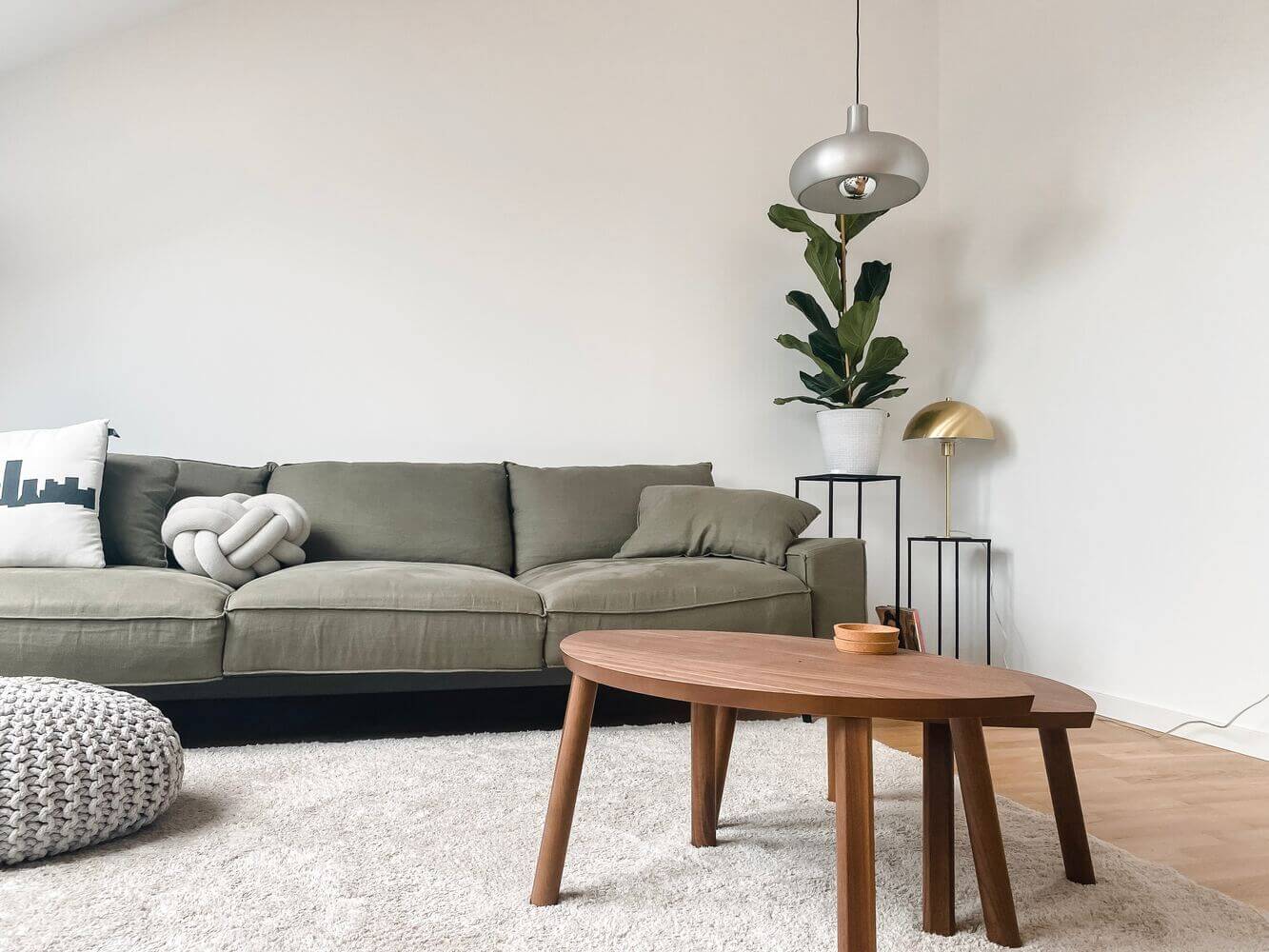
Coffee and side tables are an essential part of any living room. They not only serve as practical surfaces for drinks, magazines, and snacks, but are also an important design element. In this guide, you'll learn everything you need to know about coffee and side tables to find the perfect model for your living room.
The importance of coffee and side tables in the living room
Coffee and side tables are not only practical pieces of furniture, but also have aesthetic significance. They can help improve the appearance of a room and give it a personal touch.
Functional aspects
A coffee or side table can fulfill many practical functions. It can serve as a surface for drinks and snacks, as a footrest, or as a place to store magazines and remote controls. Depending on the model, side tables can also be used as additional storage space.
Side tables come in many different designs. They are made of wood, glass, or metal. The shapes also vary greatly. There are round, square, or oval tables. Some models are height-adjustable or have casters for easier movement.
A coffee table can also serve as a central element in a room. It can visually divide the space and create a cozy atmosphere. When choosing a coffee table, you should make sure that it suits the size of the room and that it harmonizes with the other furniture.
Aesthetic aspects
Coffee and side tables can also fulfill aesthetic purposes. They can complement a room's design or give it a unique character. A harmonious design can transform a room into a cozy and inviting space.
When choosing a side table, it's important to ensure it complements the style of the room. A modern glass side table, for example, can work well in a minimalist living room. Conversely, a rustic wooden side table can be a good fit for a country-style living room.
There are also side tables designed to harmonize with other furniture in the room. For example, a side table made of the same material as the sofa can be chosen to create a unified look.
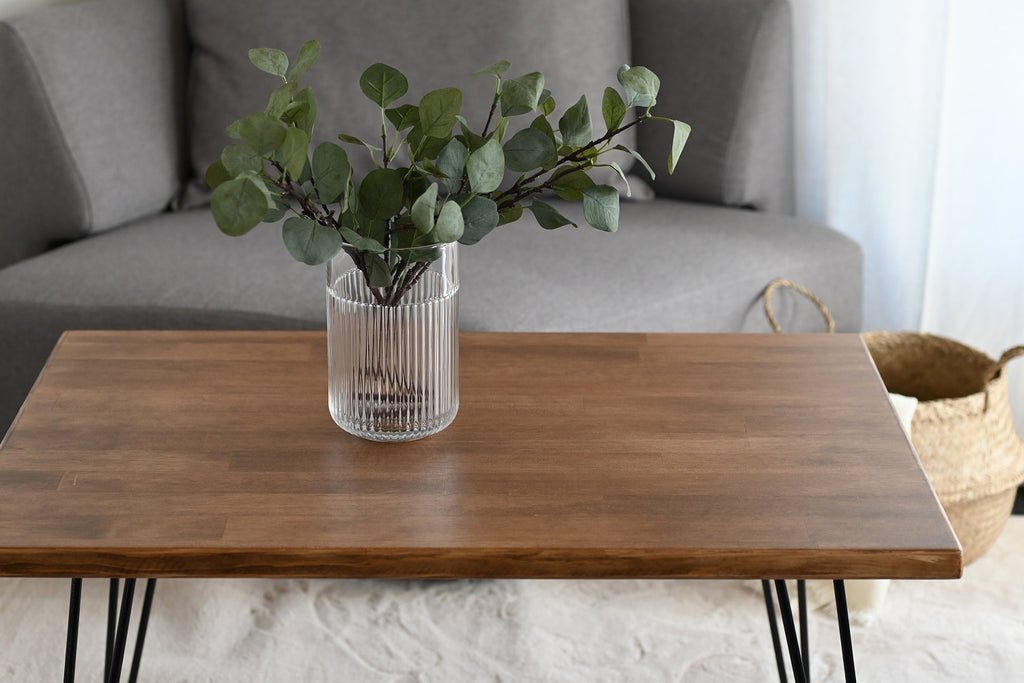
Another aesthetic aspect of coffee and side tables is their decorative potential. For example, flowers or candles can be placed on a side table to give the room a personal touch.
Overall, coffee and side tables are not only practical pieces of furniture, but also important elements in interior design. They can help make a room feel cozier and more personal.
Various types of coffee and side tables
There are many different types of coffee and side tables, each capable of playing a different role in any living room. Choosing the right model depends on personal preferences and specific requirements.
Classic coffee tables
Classic coffee tables are typically larger tables that often form the centerpiece of the living room. They are often rectangular or square in shape and can be available in many different materials and colors.
A classic coffee table can be a real eye-catcher in the living room and play an important role in the room's design. A solid wood table, for example, can create a rustic ambiance, while a modern table made of glass or metal conveys a minimalist flair.
Various seating options, such as sofas or armchairs, can be placed around a classic coffee table to create a cozy atmosphere. Another possibility is to decorate the table with decorative elements like candles, vases, or books.
Modern side tables
Modern side tables are often smaller and more flexible than coffee tables. They can be easily moved to different locations in the room as needed. Modern side tables are also available in many different materials and colors.
A modern take on the side table is, for example, a delicate, round metal table or a minimalist wooden table with clean lines. These tables are often very functional and can also be used as additional storage space or as a bedside table.
Another advantage of modern side tables is that they often save space and can look great even in small rooms. They can also be used to complement a larger coffee table, offering additional functionality and flexibility.
Multifunctional tables
Multifunctional tables can serve various purposes. Some, for example, have integrated storage solutions or can be adjusted to different heights. This type of table is well-suited for people who have limited space or who don't want to buy a lot of furniture.
An example of a multifunctional table is a coffee table with integrated storage, offering space for magazines, books, or remote controls. Another type of multifunctional table is a height-adjustable table, which can be used as a dining table or a workspace.
Multifunctional tables are a good choice for people who want to remain flexible and combine functionality and design.
Sustainable materials
More and more people are placing value on sustainability and eco-friendly design. Coffee and side tables can be made from various sustainable materials, including wood, glass, bamboo, or recycled materials.
Sustainable materials are not only environmentally friendly, but also durable and resilient. A coffee table made from recycled wood, for example, can create a rustic and natural atmosphere, while a table made of bamboo conveys an exotic flair.
Another advantage of sustainable materials is that they are often handcrafted, making each piece unique. This allows them to be considered works of art and add a special touch to any living space.
Choose the right size and shape
Choosing the right size and shape for a coffee or side table depends on various factors, such as the size and layout of the room, but also on the specific requirements for the table.
Consider room size and layout
When choosing a coffee or side table, it's important to consider the size and layout of the room. A large coffee table can quickly look oversized in a small room, while a small side table can get lost in a large room.
For example, if you have a spacious living room, you can choose a larger sofa and a matching coffee table. A smaller room, however, requires a smaller coffee table to save space and avoid cluttering the room.
The height of the sofa and armchairs
A coffee table should generally be at the same height as the sofa or armchairs for comfortable use. Side tables can be slightly higher or lower, depending on your needs.
For example, if you have a low sofa or armchair, you should choose a lower coffee table to ensure an ergonomic seating position. Conversely, a higher sofa or armchair requires a higher coffee table.
Round, square or oval tables
The choice between round, rectangular, or oval tables depends on personal preference and the room's design. Round tables can appear softer, while rectangular tables often have a more modern look.
A round table, for example, can be a good choice if you have small children, as there are no corners they can bump into. Rectangular tables, on the other hand, might be a better fit for a room with straight lines and clean shapes.
An oval table is a good choice if you want the space requirements of a round table but prefer a more elongated shape. This can be particularly advantageous in a long, narrow room.
Materials and colors for every style
The choice of the right materials and colors for a coffee or side table depends on personal style and the existing design of the living room.
If you have a rustic and cozy living room, a wooden coffee or side table can be a perfect choice. There are various types of wood that can be used to make tables, such as oak, pine, or walnut. Each type of wood has its own unique characteristics and can help to decorate the room in different ways.
On the other hand, if you have a modern and minimalist living room, a coffee or side table made of glass or metal might be a better choice. These materials often have a glossy finish and can help make the room appear brighter and more spacious.
If you're looking for a more affordable alternative, plastic can be a good option. It's lightweight, easy to clean, and available in various colors and designs.
Colors and surfaces
Choosing the right color and finish can help reinforce a particular style. A light wood finish can complement a classic design, while a glossy metal finish supports a modern look. A surface with a natural grain can help make a room feel cozier.

The color of the table should also harmonize with the other furniture in the room. For example, if you have a white sofa, a coffee or side table in a similar color can be a good choice to create a cohesive look.
Combination of materials
Sometimes, coffee and side tables made from different materials can be combined to create a unique design. A wooden top on a metal frame, for example, often looks very interesting. A glass top on a wooden frame can also be a good choice to combine the best of both materials.
Ultimately, choosing the right coffee or side table is a personal decision based on your style and the room's requirements. However, these tips will help you find the perfect table for your living room, making the space both functional and stylish.