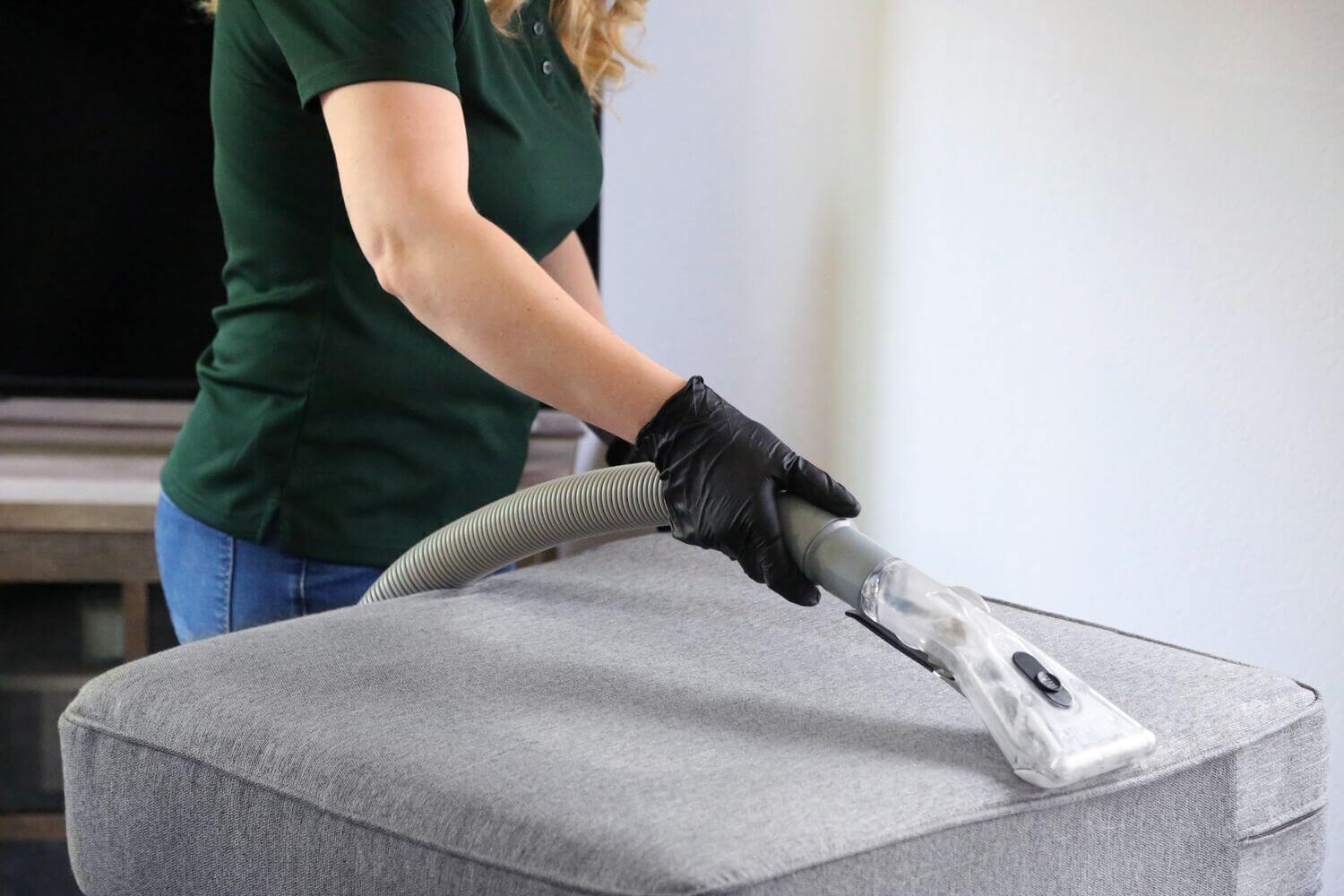
There's nothing more unpleasant than bloodstains on the sofa. While it can be a difficult problem, there are simple methods to remove the stain. In this article, we'll discuss the various causes of bloodstains, the cleaning properties of different sofa materials, and provide step-by-step instructions for removing bloodstains from the sofa. We'll also discuss some home remedies for removing bloodstains from the sofa, how to take precautions to avoid future stains, and when it's best to call in a professional cleaning service.
Causes of bloodstains on the sofa
Bloodstains on the sofa can be an unpleasant surprise. However, there are various causes for bloodstains on a sofa.
Injuries and accidents
Accidents happen. Whether you've cut yourself or your child has accidentally bumped into the edge of the sofa while playing, bloodstains can be difficult to remove if not treated immediately. It's important to treat the stain as soon as possible to remove it completely. Once the stain has dried, it becomes much harder to remove.
If the stain is fresh, gently blot it with a clean cloth to remove excess blood. Then, use cold water and soap to treat the stain. Avoid using hot water, as this can cause the stain to set.
Pets and bloodstains
Pets are an important part of our family, and it's not unusual for them to sleep on the sofa. However, if they get injured, they can leave bloodstains that need to be removed to keep the sofa clean and hygienic. It's important to treat the stain as soon as possible to remove it completely.
If the stain is fresh, gently blot it with a clean cloth to remove excess blood. Then, use cold water and soap to treat the stain. Avoid using hot water, as this can cause the stain to set.
If the stain is stubborn, you can use a solution of water and vinegar. Apply the solution to the stain and let it sit for a few minutes. Then gently dab the stain with a clean cloth to remove any excess liquid.

Menstrual blood on the sofa
Women often have to deal with menstrual blood, and it can unintentionally get onto the sofa. As soon as the stain is noticed, it's important to treat it as quickly as possible to remove it completely.
If the stain is fresh, gently blot it with a clean cloth to remove excess blood. Then, use cold water and soap to treat the stain. Avoid using hot water, as this can cause the stain to set.
If the stain is stubborn, you can use a solution of water and baking soda. Apply the solution to the stain and let it sit for a few minutes. Then gently dab the stain with a clean cloth to remove any excess liquid.
It's important to treat the stain as quickly as possible to remove it completely. Once the stain has dried, it will be more difficult to remove.
Sofa materials and their cleaning properties
Cleaning fabric sofas
Fabric sofas are a popular choice for living room furniture due to their versatility and comfort. However, they can require more maintenance than other materials, as they tend to absorb stains and dirt . If you opt for a fabric sofa, it's important to treat stains as soon as possible to prevent them from penetrating deeper. For best results, use specialized cleaning products and fabric protectors to keep your sofa clean and hygienic.
There are many different types of fabrics used to make sofas, and each fabric has its own cleaning requirements. Cotton and linen are two of the most common fabrics used for sofas. They are soft and comfortable, but also prone to stains. If you have a cotton or linen sofa, you should clean it regularly with a vacuum cleaner and a soft brush to remove dirt and dust.
Other fabrics, such as velvet or velour, are also popular, but they require special care. These fabrics can be more delicate than cotton or linen and may require special cleaning. If you have a velvet or velour sofa, you should clean it regularly with a special cleaning product suitable for this type of fabric.
Cleaning leather sofas
Leather sofas are an elegant and durable choice for living room furniture. Unlike fabric sofas, they don't absorb stains as easily and are easier to clean. However, it's important to clean them regularly and treat stains as soon as possible to avoid damaging the leather.
There are various types of leather used to make sofas, and each has its own cleaning requirements. Smooth leather is the easiest to clean and can be wiped down with a damp cloth and a mild soap solution. Suede or nubuck leather requires special cleaning to avoid damaging the material.
To keep the leather of your sofa in good condition, you should treat it regularly with a leather care product. This keeps the leather soft and supple and prevents cracks and damage.

Cleaning faux leather sofas
Faux leather sofas are a more affordable alternative to genuine leather, but they still require maintenance to ensure their longevity. With proper cleaning and care, faux leather sofas can be kept beautiful and hygienic.
Faux leather is easy to clean and can be wiped down with a damp cloth and a mild soap solution. However, it is important not to use harsh cleaning agents, as these can damage the material.
To keep the faux leather on your sofa in good condition, you should treat it regularly with a faux leather care product. This keeps the material soft and supple and prevents cracks and damage.
Cleaning microfiber sofas
Microfiber sofas are a popular choice for living room furniture due to their resistance to stains and dirt. They are also very easy to care for and require minimal cleaning.
To keep your microfiber sofa in good condition, you should clean it regularly with a vacuum cleaner and a soft brush to remove dirt and dust. If you get a stain, you should treat it as soon as possible to prevent it from soaking in.
Microfiber sofas are also hypoallergenic and can be a good choice for people with allergies or asthma.
Home remedies for removing bloodstains
Bloodstains can be stubborn, but luckily there are many home remedies that can help you get rid of them. Here are some more methods for removing bloodstains:
Cold water and salt
As mentioned earlier, using cold water and salt is a simple and effective method for removing bloodstains. But did you know that salt can also help remove the smell of blood? So, if you're struggling with a particularly stubborn bloodstain, you can try adding a larger amount of salt to the water.
Baking powder and water
Besides using baking soda as a paste, you can also try using it as a powder. Simply sprinkle a generous amount of baking soda onto the stain and let it sit for a few hours before wiping it off with a damp cloth. The baking soda can help loosen and remove the stain.
Vinegar and water
Vinegar is not only an effective cleaning agent, but it can also help prevent fabrics from fading. So, if you're dealing with a bloodstain on a colored fabric, using vinegar can help preserve the color. Simply mix two parts vinegar with one part water and dab the solution onto the stain.
Stain remover and enzyme cleaner
If you prefer to use a commercial cleaning product to remove blood stains, look for a stain remover or enzyme cleaner. These cleaners are specifically formulated for stain removal and can be very effective. However, be sure to choose a product suitable for your sofa material and follow the manufacturer's instructions carefully.
Regardless of which home remedy or cleaning product you use, it's important to treat the stain as quickly as possible. The longer you wait, the more difficult it will be to remove. If you're unsure how to treat a bloodstain, contact a professional cleaning service.
Step-by-step instructions for removing bloodstains
Take immediate action
If you notice a bloodstain on the sofa, act quickly. Use a clean cloth or sponge to absorb as much blood as possible.
Bloodstains can be stubborn, so it's important to act quickly to remove them. If you don't act quickly, the blood can soak into the material and make the stain more difficult to remove.
Choosing the right cleaning agent
It's important to choose the right cleaning product for your sofa material. If you're unsure which cleaning product to use, you can contact the manufacturer or ask a professional cleaning company for advice.
Avoid using cleaning products containing bleach or harsh chemicals, as these can damage the material. Instead, use a gentle cleaning product specifically designed for fabrics.
Treat the stain
Apply the cleaning agent to the stain and leave it on for the time specified on the packaging. Then use a clean cloth or sponge to wipe off the cleaning agent.
It is important not to leave the cleaning agent on for too long, as this can damage the material. Also, do not use hot water, as this can cause the blood clot to set and make the stain permanent.
Post-treatment and drying
Once the stain is removed, rinse the sofa with cold water to remove the cleaning agent. Make sure it is completely dry before using it again.
After cleaning the sofa, you can treat it with a special fabric cleaner to protect and maintain it. Make sure the sofa is completely dry before treating it.
By regularly cleaning and caring for your sofa, you can ensure that it lasts a long time and remains in good condition.
Discover our modular sofas with washable and interchangeable covers:
Preventing bloodstains on the sofa
A sofa is an essential part of the living room. It's where we relax and enjoy our free time. But what happens if an accident occurs and blood gets on the sofa? Bloodstains on a sofa can be very difficult to remove and can detract from its appearance. Here are some tips to help prevent bloodstains on your sofa.
Use protective covers
As mentioned earlier, protective covers can help protect your sofa from stains and dirt. They can be made from various materials such as cotton, polyester, or leather. Choose a protective cover that matches your sofa's material and is washable. Washable protective covers can be easily cleaned and reused.
Another advantage of protective covers is that they can protect the sofa from wear and tear. If you have children or pets, protective covers can help prevent scratches and other damage to the sofa.
Washable and replaceable covers
Washable and removable covers are the perfect solution for protecting your sofa from stains and dirt. You can immediately remove and clean the cover if there's a bloodstain. For stubborn bloodstains, you can even put it in the washing machine. Sofas with removable and washable covers are available in various materials. For example, we offer more robust materials like Velare or Velvet, as well as very soft fabrics like Mollia or Corduroy.
Another advantage of replaceable covers is that they can be changed at any time. If you can't remove a stubborn stain despite following the instructions, you can simply reorder the cover. you Having children or pets can be a huge advantage.
Find your dream sofa with removable and washable covers:
Regular cleaning of the sofa
Regular cleaning and care of your sofa will help keep it clean and hygienic. Vacuum regularly and wipe it with a damp cloth to remove dirt and dust. Avoid using harsh cleaning agents, as these can damage the sofa's fabric.
It's also important to protect the sofa from sunlight and moisture. If the sofa is exposed to too much sunlight, the material can fade and become brittle. Moisture can cause mold and mildew, which can damage the sofa.
First aid measures for injuries
If someone is injured on the sofa and blood gets on it, quick action is needed. Provide first aid to treat the injury and prevent bloodstains from soaking deep into the sofa.
Use a clean cloth or paper towels to absorb the blood. Avoid rubbing the blood into the sofa, as this can cause the stain to penetrate deeper. Instead, use a solution of water and vinegar or water and baking soda to remove the stain.
If the stain is stubborn, you can use professional cleaning services. These services can be expensive, but they are often more effective than home remedies.
By following these simple steps, you can avoid bloodstains on your sofa and keep it clean and hygienic.
When to bring in a professional.
There are many factors to consider when deciding whether to hire a professional cleaning service for your sofa. Here are some additional situations where contacting a professional might be advisable:
Strong odor
If your sofa has a strong odor, this could be a sign that it needs a thorough cleaning. A professional cleaning service can use special cleaning agents and techniques to eliminate the odor and leave your sofa smelling fresh again.
Discoloration or discoloration caused by sunlight
If your sofa has become discolored or faded due to sun exposure, it can be difficult to fix yourself. A professional cleaning service can apply special color and fabric treatments to restore the sofa to its original condition.
pets
If you have pets , your sofa can quickly become dirty and stained. A professional cleaning service can use special cleaning agents and techniques to remove pet hair and stains, keeping your sofa hygienic and clean.
time and effort
If you don't have the time or effort to clean the sofa yourself, it can be worthwhile to hire a professional cleaning service. You can sit back and relax while the sofa is cleaned by professionals.
Regardless of the situation, a professional cleaning service can help keep your sofa clean, hygienic, and stain-free. If you're unsure whether you should hire a professional, you can always contact a cleaning service for more information.