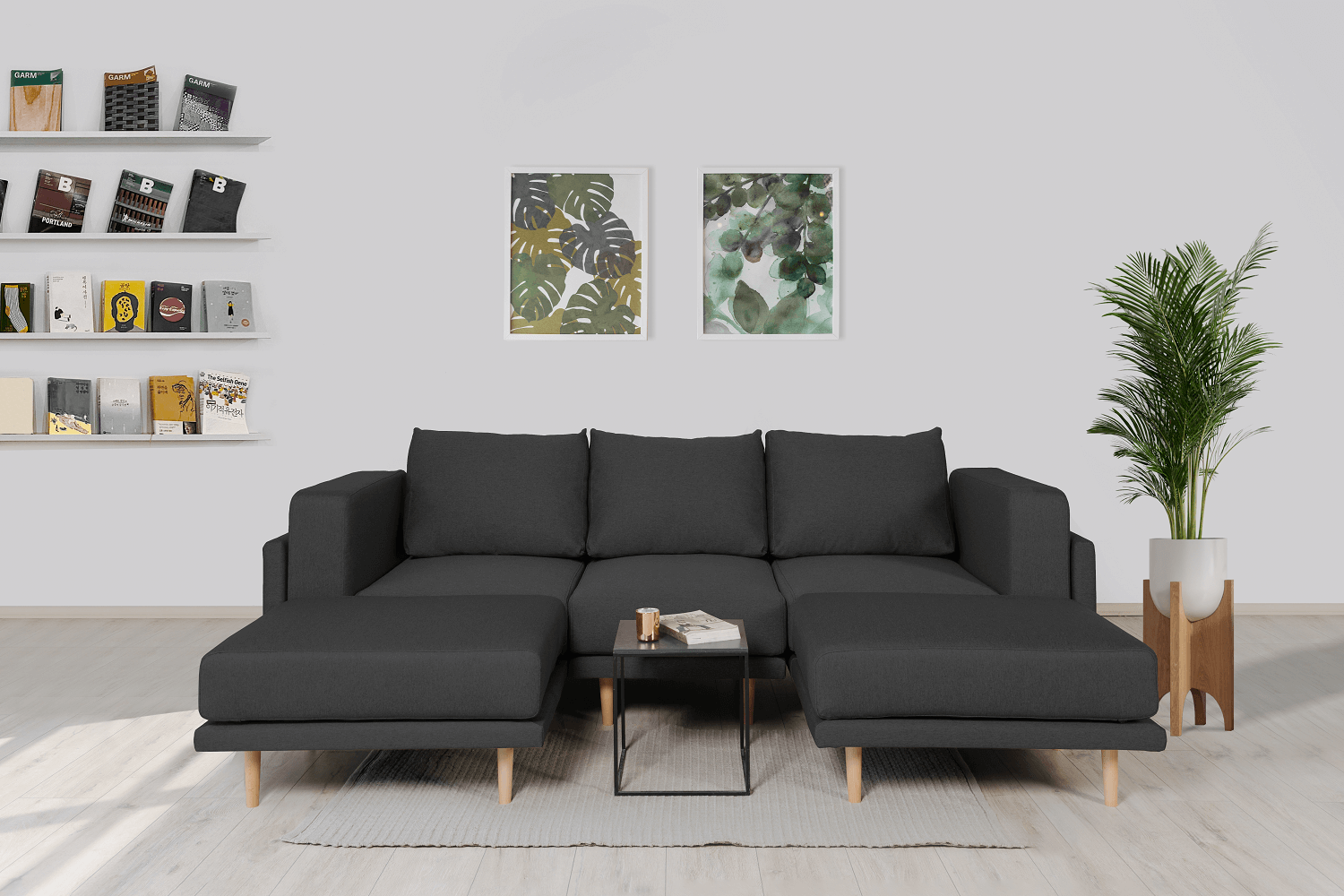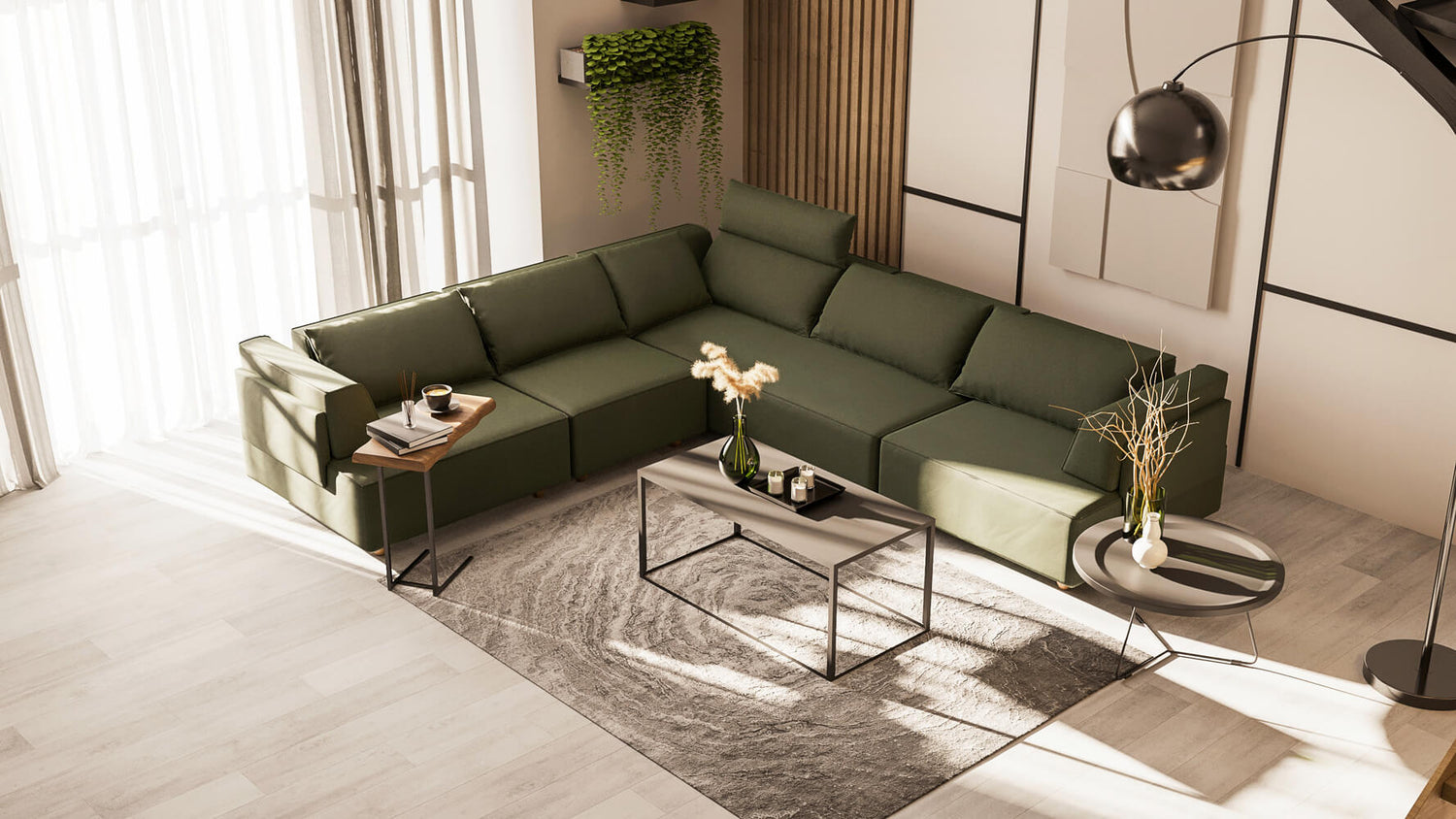
Choosing the right colors for your living room can greatly influence the atmosphere and mood of the room. In this article, we'll give you some helpful tips and inspiration to assist you in creating a color scheme for your living room.
The importance of color choice in the living room
The colors you choose for your living room can greatly influence your mood and well-being. Bright, vibrant colors can convey energy and joy, while muted, calming colors can create a relaxed atmosphere. It's important to choose the right color scheme to ensure your living room reflects your personal preferences and needs.
How colors affect mood
Colors have a strong psychological effect on our mood and feelings. Warm colors like red and orange can create a welcoming and cozy atmosphere, while cool colors like blue and green can convey a sense of calm and relaxation. Consider these effects when designing your color scheme.
The psychology behind colors
Each color has its own psychological meaning . For example, red symbolizes passion and energy, yellow stands for joy and optimism, blue radiates calm and peace, and green conveys a feeling of naturalness and harmony. Think about the mood or atmosphere you want to create in your living room and choose the colors accordingly.
Another aspect to consider when choosing colors for your living room is the room size. Light colors can make a room appear larger and more open, while dark colors can visually shrink it. So, if you have a small living room, you can create an airy and spacious atmosphere with light colors like white, beige, or pastel shades. For small rooms, it's also worth considering modular sofas . These allow you to save a significant amount of space while still offering various arrangement options.
An interesting fact is that colors can also influence the indoor climate. Dark colors absorb more heat and can therefore cause rooms in sunny locations to heat up faster. Light colors, on the other hand, reflect light and can keep the room cooler. So, if you have a living room that gets a lot of sunlight, you should probably choose light colors to ensure a comfortable temperature.
Another important point is the combination of colors. You can combine different colors to create interesting contrasts or a specific mood. For example, you can combine warm colors like red and orange with cool colors like blue and green to achieve a balanced and harmonious look. Experiment with different color combinations to find the perfect color scheme for your living room.
In addition to the wall colors, you should also consider the colors of the furniture and decorative elements in your living room. These should harmonize with the color scheme and create a cohesive atmosphere. For example, if you want to create a calming and relaxing atmosphere, you could opt for furniture and decorative elements in cool colors like blue or green.
In summary, color choice plays a crucial role in creating the desired mood and atmosphere in the living room. Consider the psychological significance of colors , the room size, the room's climate, and color combinations to develop a harmonious and appealing color scheme. Take your time to experiment with different colors and ultimately choose those that best suit your personal style and needs.
Find your modular dream sofa with washable and interchangeable covers - a sofa that adapts to your needs and color schemes!
Fundamentals of color design
To create a harmonious color scheme for your living room, it is important to understand the basics of color design.
Understanding color harmonies
Color harmonies are combinations of colors that are visually appealing and work well together. There are different types of color harmonies, such as monochromatic, complementary, and analogous color schemes. If you want to create a harmonious color concept for your living room, you should consider different color harmonies and see which one best suits your personal style and decor.
The role of light in color choice
The natural and artificial light in your living room can influence how colors are perceived. Think about how the light falls in your room and how it affects the colors. Light colors can make the room appear larger and more open, while dark colors can create a cozier atmosphere. Experiment with different colors and observe how the light affects them to achieve the best results.
Five tips for choosing the right color scheme
Start with the color you love.
The living room is a place where you spend a lot of time, so choose a color you like and feel comfortable in. Start with a main color you love and then build your color scheme around it. For example, if you like blue, you could create a blue-green color scheme for your room.
Consider your furniture and decorations.
Your furniture and decorations should also fit into your color scheme. If you already have furniture or decorations that you want to keep, choose colors that harmonize well with them. This way, you can create a cohesive and appealing overall look.
Experiment with different shades of color.
To add more dimension and interest to your living room, you can work with different color tones. For example, use different shades of the same color to create depth and contrast. Experiment with different color combinations until you find the perfect balance.
Inspiration for color schemes in the living room
Monochromatic color schemes
A monochromatic color scheme consists of different shades of the same color. This color concept can lend subtle elegance and sophistication. For example, you can use different shades of blue to create a cool and calming color scheme.
Complementary colors for a bold look
If you prefer a bolder and more striking color scheme, you can work with complementary colors. Complementary colors are colors that are opposite each other on the color wheel and complement each other. For example, you can combine blue and orange to create a dynamic and high-contrast color scheme.
Natural colors for a calming ambience
If you want to create a calming and nature-inspired atmosphere in your living room, you can use natural colors. Earth tones like brown, beige, and green can create a warm and inviting atmosphere while also establishing a connection to nature.
Mistakes to avoid when choosing colors
Using too many colors
It can be tempting to incorporate many different colors into your color scheme, but too many colors can make the overall look cluttered and chaotic. Try to stick to a limited color palette and choose one main color to define the scheme. Then, complement this main color with one or two accent colors to achieve a balanced and harmonious look.
Ignoring color trends
Color trends can be a great source of inspiration, but it's important to keep your personal style and taste in mind. Don't ignore the colors you truly love just because they're not currently in fashion. Most importantly, you should feel comfortable and happy in your living room, regardless of current trends.
With these 5 tips and inspirations, you can create a color scheme for your living room that reflects your personal style and preferences. Experiment with different color harmonies, tones, and textures to create a space that is inviting, cozy, and stylish.