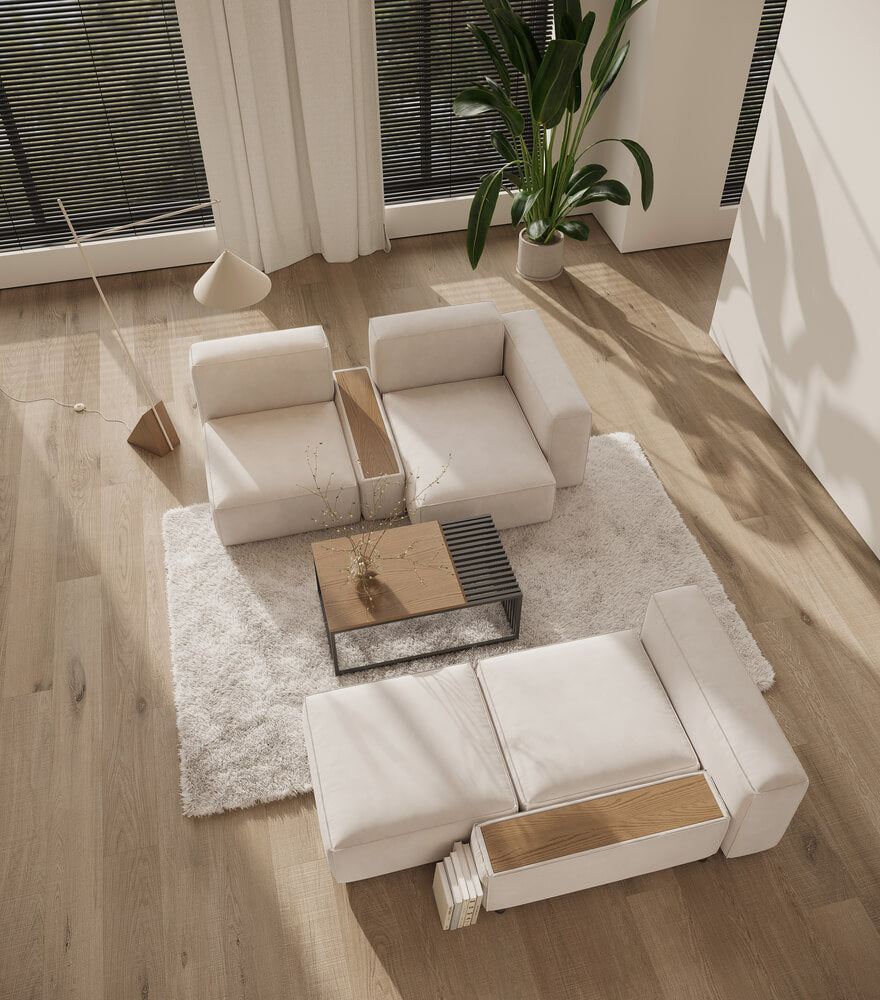
Do you have a small garden and patio that you'd like to make the most of? Don't worry, we have some basic tips on how to get the most out of your limited space. From planning and choosing furniture to care and maintenance, here you'll find everything you need to know to transform your small outdoor area into an inviting oasis.
The basics of garden design
Before you begin designing your small garden or patio, it's important to consider some basic planning aspects. Here are some key points to keep in mind:
A garden isn't just a place to grow plants; it's also a place to relax and enjoy nature. Therefore, it's important to define your personal style . Do you envision a rustic and cozy outdoor space reminiscent of a rural paradise? Or do you prefer a modern and minimalist look that emphasizes clean lines and geometric shapes? By defining your style, you can create an atmosphere that suits you and your lifestyle.
Another important aspect when planning your outdoor space is the available area. Carefully measure the available space and make a sketch to optimize its use. Here you'll find a guide to measuring: Measuring your patio & balcony . Remember that every square centimeter counts. By cleverly placing plants, furniture, and other elements, you can make your garden appear larger and more inviting.
Choosing the right plants and materials is also crucial for designing your small garden or patio. Here are some tips to consider:
- Use perennial plants that return year after year and give your garden a lasting structure. These plants are often easy to care for and require less effort than annuals.
- Choose low-maintenance plants that require little attention and thrive even with limited water. Succulents and drought-resistant plants are good options for a low-maintenance garden.
- Consider different heights to give your garden an interesting structure. Use plants of varying heights to create visual interest and visually expand the space.
- Consider using mirrors or water features to make your outdoor space appear larger and more inviting. Mirrors can create an impression of depth and spaciousness, while water features can create a calming and relaxing atmosphere.
By taking these aspects into account during the planning and design process, you can create a space that is not only beautiful to look at, but also meets your needs and preferences.
Optimizing the terrace design
The patio is an important part of your small outdoor space and should also be optimally designed. Here are some tips for improving your patio design:
The design of a terrace can be not only functional but also aesthetically pleasing. By selecting furniture that is not only practical but also stylish, you can create a harmonious atmosphere that invites relaxation and enjoyment.
Selecting the right furniture
- Choose space-saving furniture: Opt for furniture that doesn't take up too much space and can be easily stored away when not in use.
- Multifunctional furniture: Invest in furniture pieces that have multiple functions, such as modular outdoor sofas that can be converted into different configurations.
- Use furniture with integrated storage: Furniture with built-in storage provides additional space for storing pillows, blankets, or other items.
When choosing furniture, you should also pay attention to the materials. Robust and weather-resistant materials such as teak or aluminum are particularly suitable for outdoor use and ensure longevity.
Discover our waterproof outdoor sofas with washable and replaceable covers.
Decoration and lighting for the terrace
- Focus on decorative objects: Use accessories such as cushions , blankets and plants to give your outdoor area a cozy atmosphere.
- Use lighting elements: Opt for atmospheric lighting to showcase your patio or balcony in the evenings. Solar-powered lamps are an environmentally friendly option.
Choosing the right lighting can greatly influence the atmosphere. Besides solar lamps, LED string lights or indirect lighting elements can also create a cozy and inviting ambiance.
Practical tips for care and maintenance
To keep your small garden and patio in top condition, you should carry out regular care and maintenance. Here are some practical tips:
Regular garden maintenance
- Water your plants regularly: Make sure your plants get enough water, but avoid waterlogging.
- Remove weeds: Keep your garden free of weeds to avoid hindering the growth of your plants.
- Trim back overgrown plants: Keep your plants tidy and remove any dead or overgrown parts.
Seasonal terrace maintenance
- Clean your patio regularly: Remove dirt, leaves and other debris from your patio to maintain a beautiful surface.
- Check your furniture regularly: Make sure your furniture is in good condition and repair or replace damaged parts in a timely manner.
Another important aspect of garden care is fertilization. Plants need nutrients to grow and thrive. Use organic fertilizer to nourish your plants naturally and avoid chemical stress.
In addition to cleaning your patio, you should also check the joints between the patio slabs. Weathered or damaged joints can lead to weed growth and compromise the stability of your patio. If necessary, fill the joints with special jointing mortar to protect your patio.

Avoid common mistakes
When designing a small garden and patio, there are some common mistakes to avoid. Here are two important points:
Planning errors
- Don't overload your garden with too many plants and decorations. Maintain a balanced ratio between plants, furniture, and accessories.
- Don't forget to consider the amount of light. Make sure your plants get enough sunlight and your patio is adequately lit.
Implementation errors
- Don't buy furniture that doesn't match the style and size of your outdoor space. Carefully measure your area before buying and consider which style is most suitable.
- Don't neglect regular care and maintenance. A well-maintained garden and a clean patio are more inviting and retain their beauty for longer.
When planning an outdoor space, it's important to consider the needs of the plants. Different plant species require different soil types and light conditions. Make sure to choose plants that will thrive in your garden and complement each other.
Furthermore, you should also pay attention to the materials when choosing garden furniture . Not all materials are suitable for outdoor use. Choose durable and weather-resistant furniture that can withstand various weather conditions to ensure you can enjoy your patio for a long time.
Sustainable garden design and terrace design
Sustainable garden design and eco-friendly patio design are not only good for nature, but also for your wallet. Here are some tips on how to design your small outdoor space sustainably:
Environmentally friendly materials and plants
- Use recycled materials: Opt for furniture and decorative items made from recycled and sustainable materials .
- Opt for drought-tolerant plants: Plants that require little water, such as succulents, are a good choice for a sustainable garden.
Water and energy efficiency in the garden and on the terrace
- Use rainwater: Collect rainwater in a rain barrel and use it to water your plants. This saves not only water, but also money.
- Use energy-efficient lighting: Opt for low-energy LED lamps to save electricity.
With these tips and tricks, you can optimally design your small garden and patio and create a cozy and inviting atmosphere. Remember that every square centimeter counts, so use your creativity to make the most of your limited space.
The importance of bees for a sustainable garden
Bees play a crucial role in an ecologically balanced garden. They pollinate flowers and plants, which helps maintain biodiversity. To attract bees, you can plant flowering plants like lavender, sunflowers, and clover in your garden. Avoid using pesticides, as these are harmful to bees.
Another important aspect of sustainable gardening is composting. By composting organic waste, you can produce valuable fertilizer for your plants while simultaneously reducing waste. Set up a small composting station in your garden and regularly add kitchen scraps, leaves, and grass clippings. After some time, you'll have nutrient-rich compost that will make your plants healthy and strong.