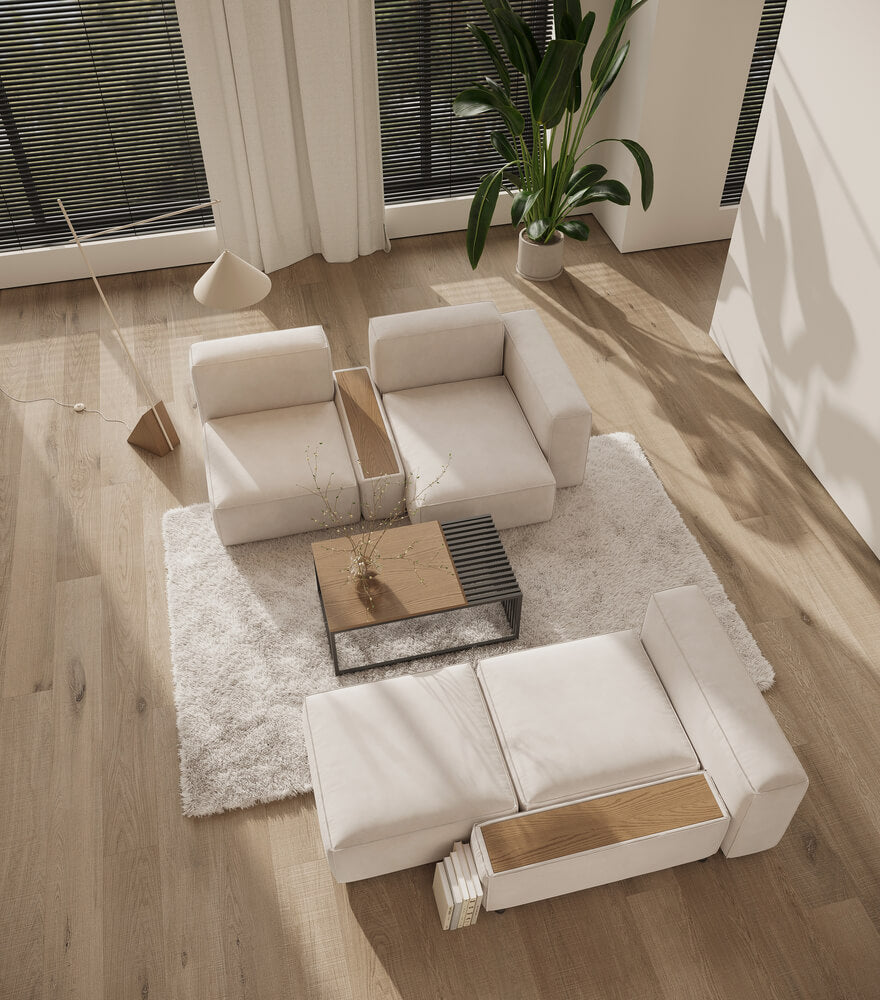
A pleasant indoor climate is crucial for our well-being and health. It can positively impact our mood, sleep, and productivity. Therefore, it's important to improve the indoor climate in our living and working spaces. In this article, you'll find eight helpful tips on how to create a good indoor climate.
Why is a good indoor climate important?
Before we look at tips for improving your indoor climate, let's understand why a good indoor climate is so important. A pleasant indoor climate has a positive impact on our health and can help prevent various health problems. Here are some of the health benefits of a good indoor climate:
Health benefits of a good indoor climate
- Improved air quality: A good indoor climate helps to improve air quality and reduce pollutants. This can help prevent respiratory illnesses such as asthma or allergies.
- Optimal sleeping environment: A pleasant room climate, characterized by the right temperature and humidity, can lead to better sleep. This makes us more productive during the day and leaves us feeling more energetic overall.
- Reduction of mold growth: A good indoor climate with controlled humidity prevents the formation of mold and thus prevents health problems such as respiratory problems and allergies.
Influence of indoor climate on productivity
Besides its health benefits, the indoor climate also influences our productivity. If the room temperature is too high or too low, or if the humidity is not optimal, this can lead to difficulty concentrating. A good indoor climate, on the other hand, stimulates our cognitive abilities and improves productivity.
Beyond the health and productivity benefits, a good indoor climate also impacts our overall well-being. When we are in a room with a pleasant climate, we automatically feel more relaxed and balanced. This can help reduce stress and improve our mood.
Another important aspect of a good indoor climate is odor control. Poor indoor air quality can lead to unpleasant smells that can negatively affect our senses. A good indoor climate, on the other hand, creates a fresh and pleasant atmosphere.
Fundamentals of a good indoor climate
To create a good indoor climate, various factors must be considered. Here are the most important basics:
1. Temperature and humidity
The ideal room temperature is usually between 20 and 22 degrees Celsius. The humidity should be between 40% and 60%. To achieve these values, you can install a programmable thermostat that regulates the temperature automatically. A hygrometer can help you monitor the humidity.
2. Air quality and ventilation
Good air quality is essential. Regular ventilation is therefore very important. Open the windows several times a day to let in fresh air and remove stale air. In addition, the use of air purifiers can help to remove pollutants such as dust , pollen, and odors.
Another important aspect of a healthy indoor climate is the proper placement of houseplants . Houseplants can not only improve air quality but also help regulate humidity. Plants like snake plants, aloe vera, and rubber plants are known to filter pollutants from the air, thus contributing to a healthier indoor climate. Find out here which houseplants are best suited for your living spaces: Living Room Plants
3. Lighting and feel-good atmosphere
Lighting also plays an important role in creating a pleasant indoor climate. Natural light is ideal, so it's advisable to maximize the use of daylight. Additionally, you can create a cozy, feel-good atmosphere with various light sources such as floor lamps, ceiling lights, and indirect lighting, which will have a positive effect on your well-being.
8 tips for improving indoor climate
1. Regular ventilation
Open the windows several times a day for at least 10 minutes to let fresh air into the room. This allows stale air to be exchanged and improves air quality.
2. Use of houseplants
Houseplants can improve the indoor climate by absorbing pollutants and producing oxygen. Place some air-purifying plants like spider plants, snake plants, or rubber plants in your room.
3. Checking the room temperature
Make sure the room temperature is comfortable and makes you feel at ease. Use fans or heaters if needed to regulate the temperature and achieve an optimal room climate.
4. Avoidance of pollutants
Avoid using materials containing harmful substances, such as certain cleaning products, paints, or furniture containing formaldehyde. Instead, choose natural and environmentally friendly materials that do not contain toxic ingredients.
5. Optimizing humidity
An ideal humidity level of 40% to 60% can be achieved by using humidifiers or dehumidifiers. These devices help to maintain a comfortable humidity level and reduce mold growth.
6. Use of air purifiers
Air purifiers can help filter particles such as dust, pollen, and bacteria from the air. Choose an air purifier with a HEPA filter to ensure effective cleaning of the indoor air.
7. Use of natural materials
When choosing furniture, such as sofas or coffee tables , and decorations, use natural and sustainable materials like wood, cotton, or linen. These materials are more environmentally friendly and can contribute to a healthier indoor climate.
Are you looking for a sustainable and modular sofa? Find your dream modular sofa with washable and interchangeable covers.
8. Maintenance of heating and air conditioning systems
Make sure your heating and air conditioning systems are regularly serviced. A properly maintained system ensures better air quality and more efficient temperature control.
These tips will help you improve your indoor climate and thus create a more comfortable environment in your home or office. A pleasant indoor climate can significantly increase your quality of life and contribute to your overall well-being.
Another important aspect that can contribute to improving the indoor climate is proper lighting . Adequate lighting is not only important for visibility, but can also influence mood and overall well-being. Therefore, use different light sources such as ceiling lights, floor lamps, and table lamps to create a pleasant and cozy atmosphere. Here you can find everything you need to know about the right lighting for your rooms: Lighting Guide
In addition to lighting, the color scheme of the room is also important. Colors can have a significant impact on our mood and well-being. Therefore, choose colors that suit you and your personal style. Calming colors like blue or green can have a relaxing effect, while vibrant colors like red or yellow can convey energy and vitality.