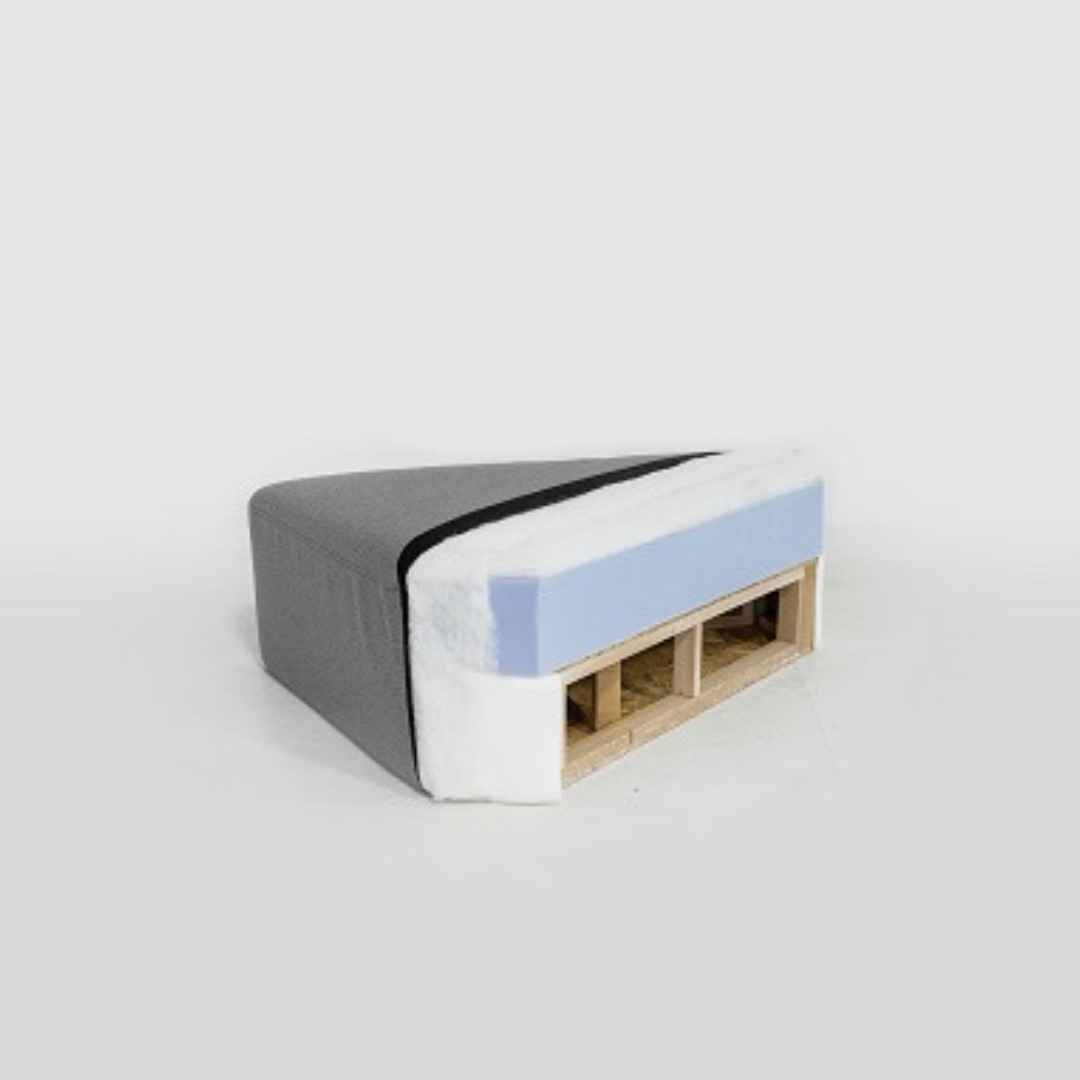
What does sustainability mean when it comes to sofas?
Sustainability is a concept relevant not only in fashion or food, but also in the furniture industry. Choosing a sustainable sofa means making decisions that consider not only the environment, but also society and the economy. It's about using resources efficiently and maintaining ecological balance.
This also means considering the product's lifespan and ensuring it was manufactured under fair working conditions. Sustainability aims to improve the quality of life without compromising that of future generations. In the case of sofas, this refers to materials, production, and disposal.
The materials: Natural and durable
If you want to buy a sustainable sofa, you should pay particular attention to the materials. Here are some of the best options:
- Sustainable wood: Wood species sourced from responsibly managed forests are an excellent choice. Look for certifications such as FSC or PEFC.
- OEKO-TEX fabrics: The OEKO-TEX® Standard 100 tests and certifies a wide variety of textiles, from raw materials to finished products. Therefore, you can be sure that no prohibited substances (carcinogenic dyes) or other unhealthy materials are used.
- Recycled materials: The use of recycled materials such as old textiles or plastic bottles helps to reduce waste and conserve resources.
The production process: Fair and environmentally friendly
Manufacturing is just as important as the materials themselves. A sustainable sofa should be produced under fair conditions. This means:
- That workers are paid fairly and have good working conditions.
- That environmentally friendly processes are used to minimize water and energy consumption.
- That harmful chemicals and harmful emissions are avoided as much as possible.
By taking these aspects into account when making your purchase decision, you contribute to improving the furniture supply on the market and encourage sustainable practices from manufacturers.
Another important aspect of sustainability when it comes to sofas is the possibility of reuse and repair. Many manufacturers, such as Livom, now offer modular sofas that can be easily reconfigured or expanded. This not only extends the sofa's lifespan but also reduces the need for new furniture. Furthermore, there are numerous service providers specializing in furniture repair and refurbishment, ensuring your sofa remains in good condition for years to come.
Discover our modular and sustainable sofas
Disposal also plays a crucial role in the sustainability concept. A sustainable sofa should be designed so that it can be easily disassembled and recycled at the end of its lifespan. Many manufacturers offer take-back programs where old furniture can be returned for proper disposal or refurbishment. This closes the loop and reduces the ecological footprint.
How can I recognize a sustainable sofa?
Buying a sustainable sofa can sometimes be confusing, as many manufacturers advertise with "green" terms. It's important to know which symbols are repeatable in order to identify genuinely sustainable products.
Certifications and seals
Look for certifications that confirm the sustainability of the materials and manufacturing process. Some of the best-known include:
- FSC (Forest Stewardship Council): Guaranteed that the wood comes from sustainably managed forests.
- OEKO-TEX: Make sure that textiles are free of harmful substances.
- Blue Angel: A German environmental label that identifies environmentally friendly products.
Manufacturer transparency
Another important point is the manufacturer's transparency. Reputable companies share information about how their products are made, which raw materials are used, and where these come from. You can often find this information in the product descriptions on the website or contact the manufacturer directly. Here's an example: Sustainability
Another often overlooked aspect is the sofa's lifespan. High-quality, sustainable sofas are not only environmentally friendly to manufacture but also durable and repairable. Many manufacturers offer spare parts and repair services, which extends the product's lifespan and reduces waste. Inquire about warranty terms and the possibility of repairing the sofa in case of damage, rather than discarding it.
Additionally, it's advisable to find out about the origin of the materials used. Many sustainable sofas use recycled or biodegradable materials that are less harmful to the environment. Check whether the manufacturer also provides information on the CO2 footprint and production processes to get a comprehensive picture of the product's ecological footprint.
Why choose a sustainable sofa?
The argument for sustainable sofas is both emotional and rational. Many people are unaware of how much their purchasing decisions can impact the world. A sustainable sofa offers numerous benefits for you and the environment.
Benefits for the environment
By purchasing a sustainable sofa, you are actively contributing to environmental protection. Here are some of the positive effects:
- Less waste through durable products.
- Reducing the CO2 footprint through sustainable materials and manufacturing processes.
- Conservation of resources through recycling and sustainable harvesting methods.
Health benefits
Sustainable sofas are not only good for the environment, but also for your health. Often, environmentally harmful chemicals are not used in their production. This can lead to better air quality in your home. Furthermore, natural materials are often more allergy-friendly and contribute to a healthier indoor climate.
Another health benefit is that many sustainable sofas are made from organic fabrics that don't emit harmful fumes. This is especially important for families with young children or pets, who may be more sensitive to chemicals. Furthermore, some manufacturers promote the use of materials that are not only environmentally friendly but also hypoallergenic, reducing the risk of allergies and respiratory problems.
Order your free fabric samples now for your sustainable dream sofa!
Choosing a sustainable sofa can also help raise awareness of ethical consumption habits. By opting for products made under fair working conditions, you not only support the environment but also the people behind those products. Many sustainable brands place great emphasis on transparency and fairness in their supply chain, which means that with your purchase, you are also taking on social responsibility.
Sustainable sofas and their design
A common misconception about sustainable furniture is that it can't be aesthetically pleasing. Quite the opposite is true. Sustainable sofas offer a wide variety of designs while also being environmentally friendly.
Diversity and aesthetics
Nowadays, there is a huge selection of sustainable sofas that not only look good but also reflect the latest interior design trends. Whether modern, Scandinavian, or rustic – there's a sofa to suit every taste.
Harvey modular sofa in Cord-Nata

Adaptability and durability
A good, sustainable sofa is designed to be flexible and adaptable. Often, the fabric can be changed, or the sofa itself can be reconfigured. This adaptability ensures that the piece of furniture lasts for many years and continues to fit into your living space over time.
Another important aspect of sustainable sofas is the use of environmentally friendly materials. Many manufacturers rely on recycled fabrics, organic cotton, or wood from sustainably managed forests. These materials are not only good for the environment but also offer excellent quality and durability. Furthermore, many of these sofas are made with non-toxic adhesives and paints, making them a healthy choice for your home.
Social responsibility
Some brands that produce sustainable sofas place great emphasis on social responsibility. They support local artisans and promote fair working conditions. Livom, for example, plants two new trees for every order through the organization OneTreePlanted , precisely where they are needed. By purchasing such a sofa, you not only contribute to environmental sustainability but also support the community and the people behind the production of these pieces of furniture. This gives your purchase added meaning and contributes to a more sustainable future.
Price-performance ratio of sustainable sofas
Many buyers believe that sustainable sofas are more expensive than conventional models. However, it's important to consider the price-performance ratio to truly understand what you're getting.
Cost and quality
Sustainable sofas are often in a higher price range because the materials and manufacturing processes are complex. But the investment is worthwhile: you get a product that is durable and actively contributes to conserving environmental resources.
Lifespan and value retention
A sustainable sofa isn't just a short-term purchase. Its longevity means you may need to buy new furniture less often. The resale value of a high-quality, sustainable sofa can also be higher compared to conventional models.
Overall, buying a sustainable sofa is a conscious decision that can have a positive impact on both your home and the environment. Pay attention to the materials, the manufacturers' environmental footprint, and the individual production processes. This way, you can find a sofa that is both stylish and eco-friendly.

Another often overlooked aspect is the possibility of customizing sustainable sofas. Many manufacturers offer customization options that allow you to design the sofa exactly to your liking. Feel free to configure your own sustainable sofa right here: Configurator
You can choose from a variety of fabrics, colors, and designs that are not only aesthetically pleasing but also made from environmentally friendly materials. This personalization helps make your sofa not just a piece of furniture, but a unique element in your living space.
Furthermore, it's important to consider the social aspects of sustainability. Many companies that produce sustainable sofas place great value on fair working conditions and support local artisan workshops. By purchasing such a sofa, you're not only supporting environmentally friendly practices but also the communities behind these products. This creates a sense of connection and responsibility that extends beyond the mere purchase.