Foam is a key component of many sofas and significantly influences comfort and firmness. This article explores the different types of foam, their properties, and the right selection criteria. You'll learn how foam affects your sofa experience and what care is necessary to extend the lifespan of your furniture.
The different types of foam for sofas
Polyurethane foam: A common choice
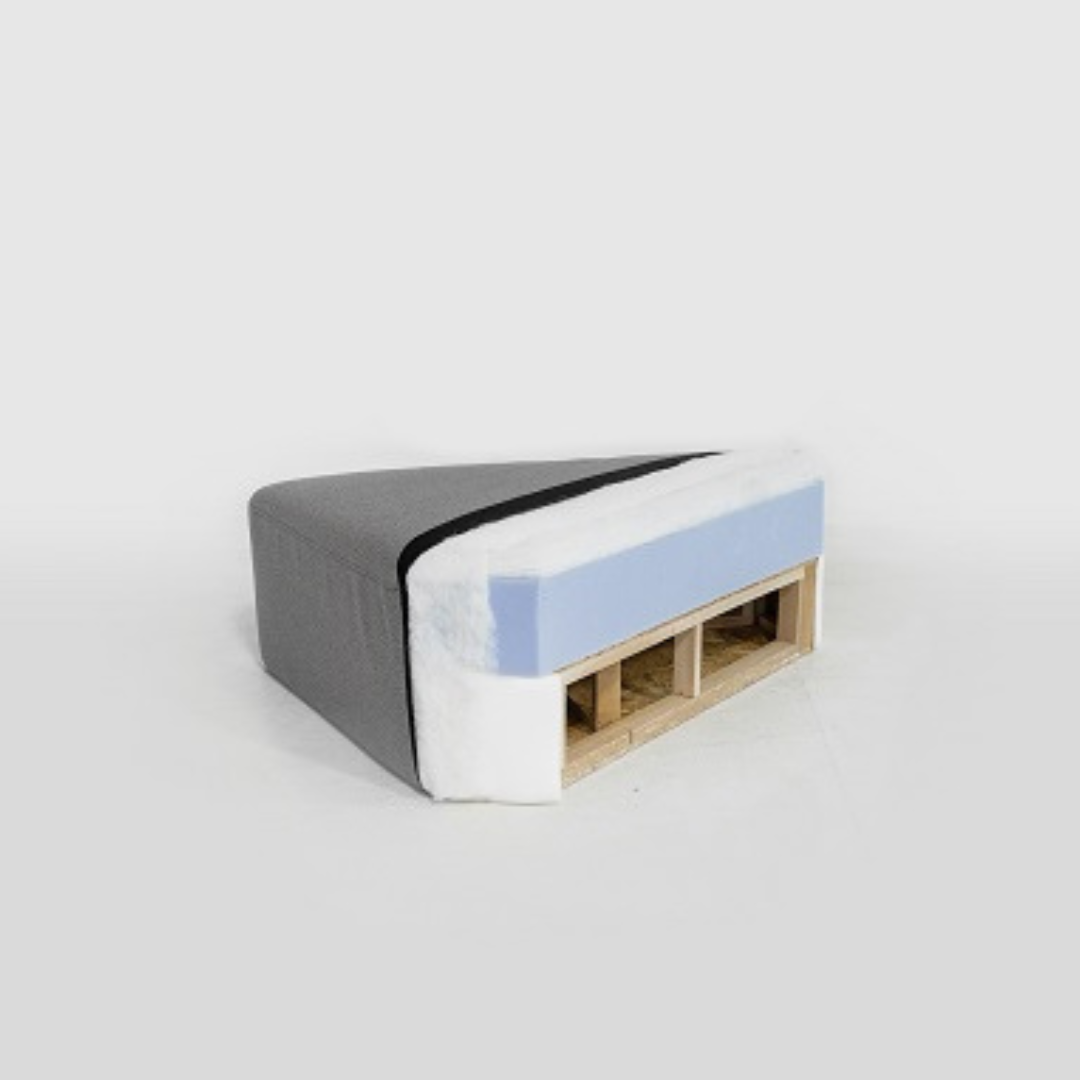
Polyurethane foam is the most commonly used type of foam for sofas. It offers a good balance between comfort and durability. Thanks to its versatile properties, it can be manufactured in various degrees of firmness, allowing manufacturers to achieve specific levels of seat firmness.
One advantage of polyurethane foam is its ability to adapt to the body's shape. This property ensures comfortable seating without the foam wearing out too quickly. However, it's important to note that the quality can vary significantly depending on the manufacturer and composition.
Additionally, polyurethane foam is available in various densities, meaning it can be used for both budget-friendly and high-end sofas. The foam's density affects not only comfort but also the sofa's lifespan. High-density foam generally offers better support and is more resistant to wear and tear, while low-density foam is often cheaper but can lose its comfort more quickly.
Discover our modular sofas made from high-quality polyurethane foam
Latex foam: The natural option
Latex foam is derived from the sap of the rubber tree and is considered the natural alternative to synthetic foams. It offers excellent breathability and high elasticity, resulting in optimal support.
Another advantage of latex foam is its environmental friendliness. Many consumers appreciate the sustainable properties of latex, as it is biodegradable. Due to its firmness, latex foam retains its shape and support even over many years.
Furthermore, latex foam is hypoallergenic, making it an excellent choice for allergy sufferers. The foam's natural structure prevents the growth of mold and bacteria, contributing to a healthier living environment. Many manufacturers now also offer certified, pollutant-free latex foam products that meet strict environmental and health standards.
Memory foam: Comfort and adaptability
Memory foam has become very popular in recent years, primarily due to its unique ability to conform to the shape of the body. This property makes it ideal for people who need extra comfort and support, for example, those with back pain or other ailments.
The viscoelastic properties of memory foam ensure that pressure is distributed evenly, resulting in a comfortable lying and sitting experience. A disadvantage, however, is that memory foam tends to be less breathable than other foams, which can be perceived as unpleasant in high temperatures.
To counteract this disadvantage, many manufacturers now offer memory foam variants equipped with special cooling technologies. These foams often contain gel elements or have open-cell structures that improve air circulation, thus creating a more comfortable sleeping or sitting environment. Memory foam can also be used in combination with other types of foam to combine the advantages of both materials and ensure optimal support.
Understanding the firmness of foam sofa seats
What determines the firmness of a sofa seat?
The firmness of a sofa's seat is determined by various factors, with the type of foam used playing a crucial role. Besides the type of foam, the density and resistance of the material are also decisive.
- Density : A higher density generally means a tighter fit and a longer lifespan.
- Firmness level : Sofas are often offered in different firmness levels, from soft to firm.
- Additional materials : Spring cores or other filling materials can also affect the seat firmness.
How to test the firmness of a sofa seat
When buying a sofa, it's important to check the seat firmness. Here are some steps you can follow to make the right choice:
- Sit on the sofa and see if it feels comfortable. You can do this, for example, in a Livom showroom .
- Test different seating positions to see if the comfort remains constant.
- Check if the foam springs back when you stand up.
Another important aspect that many buyers often overlook is considering their own weight and height. These factors can significantly influence the perception of seat firmness. For example, a heavier user might find a sofa softer, while a lighter user might find the same seat too firm. Therefore, it's advisable to consider your own physical characteristics when testing a sofa .
In addition, the intended use of the sofa plays a crucial role in choosing the right seat firmness. If the sofa is primarily used for relaxing evenings, a softer seat might be more comfortable. For households with children or frequent guests, however, a firmer seat might be more practical, as it offers greater stability and durability. It's worthwhile considering these factors when making your purchase decision to find a sofa that meets your individual needs and lifestyle.

The advantages and disadvantages of different types of foam
Durability and longevity of foam sofas
The durability of sofas varies greatly depending on the type of foam used. Polyurethane foam offers a good balance, while latex foam tends to be more durable. Memory foam can be prone to wear and tear, especially with frequent use.
Comfort and support through different types of foam
Comfort is subjective and can vary greatly. While some people prefer the support of polyurethane foam, others appreciate the flexibility of latex foam. Memory foam offers unbeatable comfort, but can be too warm for some.
- Polyurethane foam : Good for everyday seats, high-quality, stable and adaptable.
- Latex foam : Ideal for environmentally conscious buyers and for people with allergies.
- Memory foam : Excellent for people with special body requirements.
Choosing the right foam for your sofa
Taking your individual needs into account
Choosing the right foam depends on your personal preferences and needs. Consider how important factors like durability, comfort, and environmental friendliness are to you.
If you spend a lot of time on your sofa, high-quality foam is crucial, while an occasional sofa can get by with a less expensive option.
Important factors when choosing foam
To make the best decision, you should consider the following points:
- Price : Consider your budget and long-term costs.
- Material preferences : Do you have a preference for natural or synthetic materials?
- Intended use : How will the sofa be used? (e.g., children, pets, regular use)
Another important aspect is the density of the foam. Higher-density foams generally offer better support and durability, which is particularly important for sofas that are used intensively.
Care and maintenance of foam sofas
Cleaning and care of foam sofas
Proper care will significantly extend the lifespan of your sofa . Be sure to follow the manufacturer's instructions to avoid damage. For most foam sofas, the following measures are recommended:
- Regular vacuuming to remove dirt and dust.
- Avoid direct sunlight to protect the material from discoloration.
- For stains, react immediately with a damp cloth and mild detergent.
Tips for extending the lifespan of your foam sofa
To extend the lifespan of your foam sofa, you can follow these tips:
- Use a sofa cover to protect the foam from wear and tear.
- Rotate the cushions regularly to ensure even wear.
- Keep the sofa away from radiators and other heat sources to avoid damaging the material.
In summary, choosing the right foam for your sofa is crucial for its comfort and longevity. By understanding the different types of foam and their properties, you can make an informed decision that meets your needs. With proper care, your sofa will remain a cozy retreat for many years to come.