When it comes to choosing fabrics for furniture, it's important to understand the various properties that can affect their durability and quality. Three such properties that are often discussed are lightfastness, abrasion resistance, and pilling resistance. In this article, we'll take a closer look at each of these properties and why they should be considered when selecting fabrics.
What is lightfastness?
When we furnish our homes, we want to ensure that the furniture remains beautiful and vibrant for a long time. Lightfastness is the property of a fabric to retain its color and brightness despite exposure to sunlight. A lightfast fabric keeps its color and does not fade over time. This is especially important because sunlight contains harmful UV rays that can cause fabric colors to fade.
The importance of lightfastness in fabrics
Why is lightfastness so important? Well, nobody wants furniture that fades after a short time and loses its original beauty. Lightfastness ensures that the color of a fabric remains stable and is not affected by sunlight or other light sources. This is especially important for furniture placed near windows or in rooms with plenty of natural light. By choosing a lightfast fabric, you can ensure that your furniture stays vibrant for years to come.
Factors that affect lightfastness
Several factors can affect a fabric's lightfastness. The type of fibers the fabric is made of can make a significant difference. Natural fibers like cotton tend to be less lightfast than synthetic fibers like polyester. The type of dyes used and the dyeing process can also influence lightfastness. It's crucial that manufacturers use the correct dyes and dyeing methods to ensure their fabrics are lightfast.
Another factor influencing lightfastness is the thickness of the fabric. Thicker fabric generally offers better protection against UV rays and can therefore retain its color longer. Furthermore, the quality of the fabric also plays a role. High-quality fabrics are often better protected against fading than lower-quality materials.
An interesting aspect of lightfastness is that it's important not only for furniture but also for clothing. Nobody wants their favorite clothes to lose their color after a few washes. Therefore, it's important to choose clothing made from lightfast fabrics to ensure it stays vibrant for a long time.
To determine the lightfastness of a fabric, various tests are performed. One of the best-known tests is the xenon arc lamp test, in which the fabric is exposed to controlled artificial sunlight. By monitoring the color changes of the fabric, its lightfastness can be assessed.
Ultimately, lightfastness is an important factor when choosing furniture and clothing. By selecting lightfast materials, you can ensure that your furnishings and garments retain their color and beauty for a long time.
Abrasion resistance and its role in the textile industry
Abrasion resistance is another important property of fabrics for furniture. When we use our furniture, we inevitably subject it to a certain amount of wear and tear. High abrasion resistance ensures that the fabric can withstand these stresses and does not wear out or become damaged quickly.
The abrasion resistance of a fabric is typically measured using the Martindale test. In this test, the fabric is rubbed against an abrasive surface to determine its resistance to wear. The higher the number of Martindale cycles a fabric can withstand, the more abrasion-resistant it is. Most fabrics used in furniture have an abrasion resistance of at least 15,000 Martindale cycles. Livom, for example , offers fabrics with an abrasion resistance between 45,000 and 100,000 cycles, which is very high.
Discover our modular and sustainable sofas
To improve the abrasion resistance of their fabrics, manufacturers often use special techniques and materials. One option is to treat the fabric with a protective finish, which provides an extra layer to shield it from wear and tear. Another approach is to use special fiber blends that can offer higher abrasion resistance. When buying furniture, look for fabrics with high abrasion resistance to ensure it lasts a long time.
Aside from the furniture industry, abrasion resistance plays an important role in other sectors as well. In the clothing industry, for example, it is crucial that fabrics are abrasion-resistant to ensure a longer lifespan for garments. High abrasion resistance is particularly essential for outdoor clothing, which is exposed to extreme weather conditions.
Another area where abrasion resistance is of great importance is the automotive sector. Car seats and interior trim must withstand constant wear and tear, whether from passengers getting in and out or from daily use. Therefore, it is essential that the fabrics used have high abrasion resistance to ensure their longevity.
Abrasion resistance is also of great importance in the sports industry. Sportswear and equipment such as backpacks must withstand the high stresses associated with athletic activities. High abrasion resistance ensures that the products last a long time even with intensive use and offer athletes reliable performance.
Abrasion resistance also plays an important role in the construction industry. Floor coverings, such as carpets or laminate, must withstand regular wear and tear and should therefore have high abrasion resistance. This ensures that the floor covering still looks good and retains its functionality even after prolonged use.
In summary, abrasion resistance is a crucial property of materials in various industries. Whether in the furniture, clothing, automotive, sporting goods, or construction industries, high abrasion resistance ensures a longer lifespan and improved product performance.
Pilling resistance: An important aspect of fabric quality
Pilling is a common problem with fabrics, especially those that are heavily used. Pilling occurs when small balls or fuzz form on the surface of the fabric. This can affect the look and feel of the fabric and make it less appealing.
To understand the problem of pilling, it's important to consider the various factors that can contribute to it. The type of fibers the fabric is made of plays a crucial role. Natural fibers like cotton and wool tend to be more prone to pilling than synthetic fibers like polyester or nylon. This is because natural fibers tend to snag and bind together more easily.
Besides the type of fiber, the weaving technique also plays a role. Different weaving techniques can have varying effects on pilling resistance. For example, fabrics with a smooth surface, such as satin or taffeta, are less prone to pilling than fabrics with a rough surface, such as terry cloth or flannel.
Another important factor is the surface treatment of the fabric. Manufacturers can use various methods to improve pilling resistance. One option is to treat the fibers before weaving to make them more resistant to pilling. This can be achieved through chemical treatments or mechanical processes such as shearing the fibers.
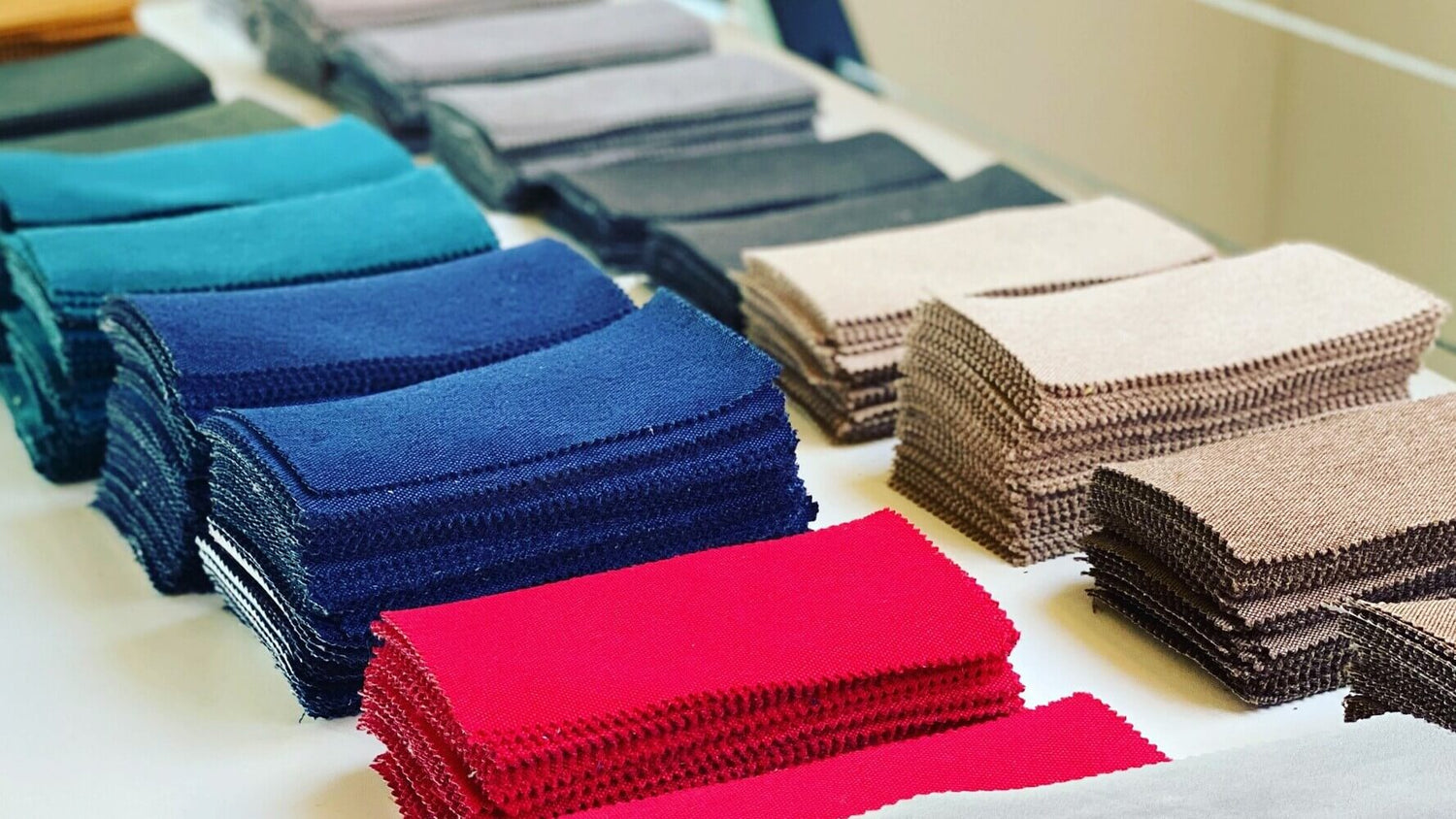
Order free fabric samples here and find the perfect fabric for your living room.
What causes pilling in fabrics?
Pilling occurs when loose fibers on the surface of a fabric become trapped and clump together. This can be caused by various factors, including the type of fibers used in the fabric, the weaving technique, and the fabric's surface treatment. Manufacturers try to minimize pilling by using fabrics with low susceptibility to pilling and by developing special fiber blends.
Another factor that can promote pilling is how the fabric is used. Fabrics subject to heavy friction or abrasion, such as upholstered furniture or frequently worn clothing, are more likely to pill. Therefore, it is important to pay attention to good pilling resistance when selecting fabrics for such applications.
Methods to increase pilling resistance
To improve the pilling resistance of fabrics, manufacturers use various techniques. One possibility is to treat the fibers to make them more resistant to pilling. This can be achieved through chemical treatments or mechanical processes such as shearing the fibers.
Another approach is to use special yarns that are less prone to pilling. These yarns can consist of a blend of different fibers or have special coatings that prevent the formation of pills.
In addition to fiber treatment and the use of special yarns, the weaving technique can also influence pilling resistance. Using weaving techniques that allow for a tighter bond between the fibers can reduce the likelihood of pilling.
When buying furniture, it's important to look for fabrics with good pilling resistance to ensure they stay beautiful for a long time. Some manufacturers even offer special warranties against pilling to emphasize the quality of their products.
Summary: The importance of these properties for fabric selection
When choosing fabrics for furniture, it's important to pay attention to properties such as lightfastness, abrasion resistance, and pilling resistance. These properties can greatly influence the longevity and quality of the furniture. By choosing lightfast fabrics, you can ensure that your furniture retains its color for years to come. Abrasion-resistant fabrics can withstand the rigors of everyday life without quickly wearing out. And good pilling resistance ensures that your furniture remains beautiful and free of bobbles or lint for a long time.
The role of lightfastness, abrasion resistance and pilling resistance
By paying attention to these qualities, we can ensure that our furniture has the best quality and durability. Each of these qualities plays an important role in the selection of fabrics for furniture and should be carefully considered.
Tips for selecting fabrics based on these properties
When buying furniture, look for fabrics that are lightfast, highly abrasion-resistant, and pill-resistant. Speak to a consultant at a Livom showroom or with the manufacturer to learn more about fabric properties. Also, consider the environment where the furniture will be placed. For example, if you're choosing furniture for a room with plenty of sunlight, pay particular attention to lightfastness. By selecting the right fabrics, you can ensure your furniture not only looks beautiful but also lasts for years to come.