Have you ever heard of a mood board? If not, you're definitely missing out! A mood board is a creative and visual way to design your living spaces and visualize your design ideas. It helps you have a clear plan and ensures that your decor looks cohesive and harmonious. In this article, I'll show you how to create a mood board for your living spaces and why it's so important.
What is a mood board and why is it important?
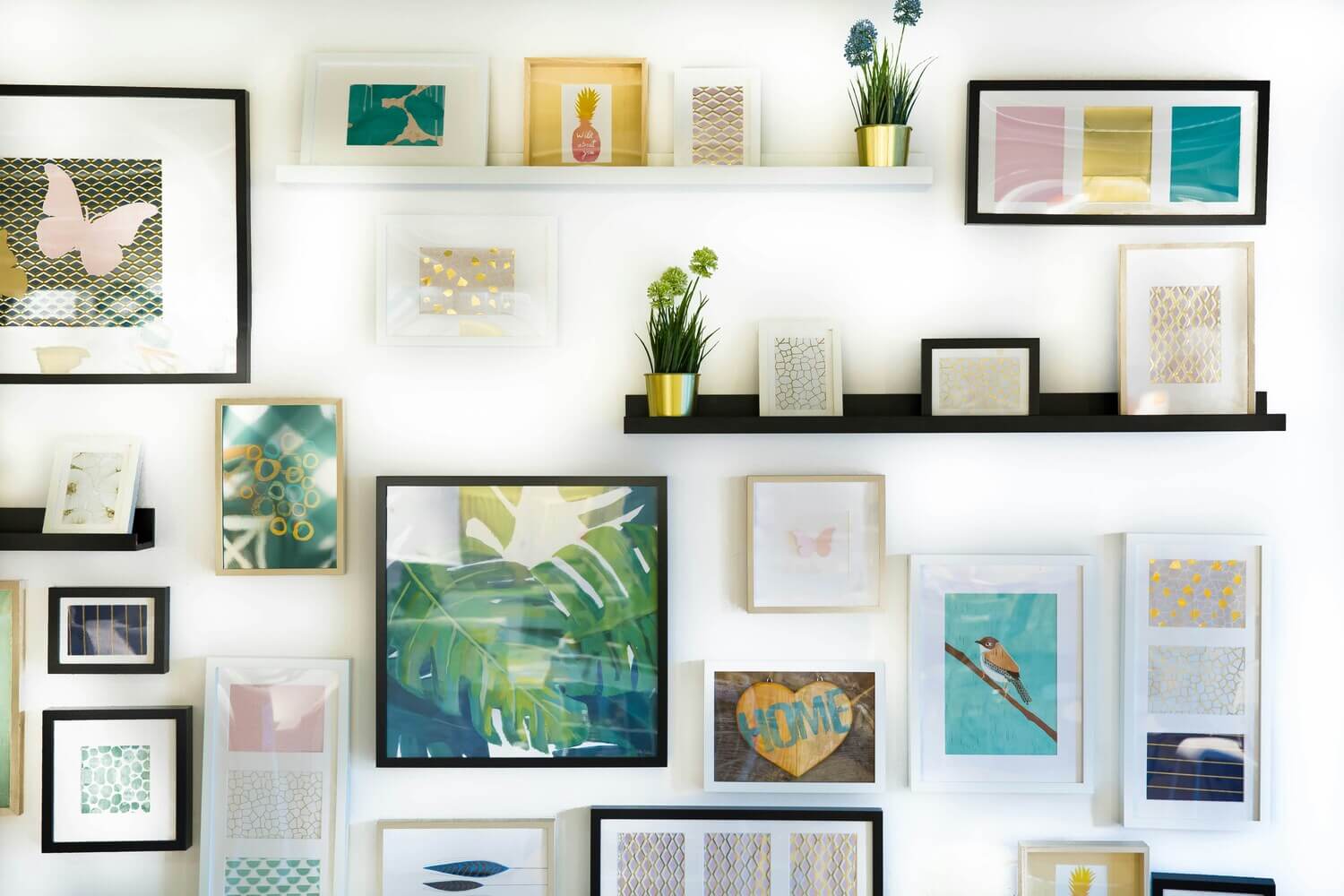
A mood board is a collection of images, colors, textures, and materials that represent your design vision for a room. It serves as a source of inspiration and a visual reference to ensure you achieve the desired look and atmosphere. A mood board helps you organize and visualize your ideas before you start shopping for furniture and accessories. It's a great way to explore your own style and ensure all the elements in your space work together harmoniously.
The importance of mood boards in interior design
Interior designers often use mood boards to present their ideas and help clients understand the desired end result. A mood board allows color schemes, materials, and styles to be visualized at a glance, ensuring that the space meets the client's expectations. It's a practical tool for avoiding misunderstandings and ensuring everyone is on the same page.
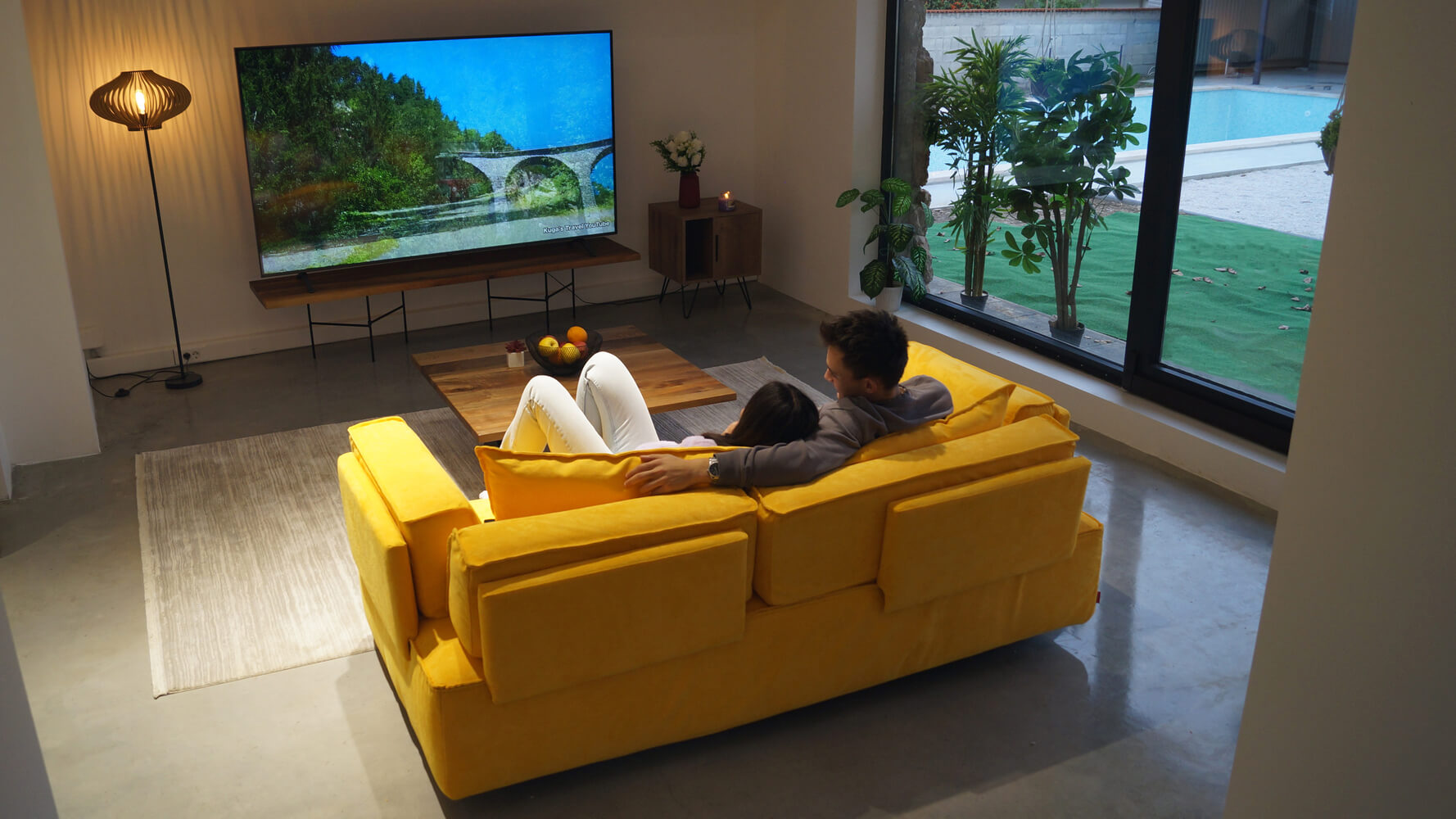
Are you still looking for the perfect sofa for your mood board? Discover our modular sofas with washable and interchangeable covers.
Advantages of using mood boards
Using mood boards offers many advantages. Here are some of the most important ones:
- Planning and organization: A mood board helps you organize your thoughts and design ideas. You can put different elements together and see how they fit together.
- Visualization: A mood board allows you to visually represent your ideas. It's much easier to understand colors, textures, and styles when you see them on a mood board.
- Coherence and harmony: A mood board allows you to ensure that all elements in your room complement each other and create a harmonious atmosphere. You can try out different options to achieve the best result.
Another advantage of using mood boards is that they can help you develop and define your own style. By compiling different images and materials, you can discover which elements you like best and how to combine them in your space.
A mood board can also serve as a communication tool. When working with an interior designer or a client, you can use the mood board to convey your design ideas and ensure that everyone involved has the same vision of the final result.
Furthermore, a mood board is a useful tool for comparing different options and making the best decisions for your space. By placing various images and materials side by side, you can see how they fit together and which combination works best.
In summary, a mood board is an indispensable tool for interior design. It helps you visualize your design vision, organize your ideas, and ensure that all elements in your space harmonize. With a mood board, you can explore your own style and ensure you achieve the desired look and atmosphere.
The necessary materials for a mood board
Before you begin creating a mood board, you'll need certain materials. Here's what you'll need:
Selecting the right materials
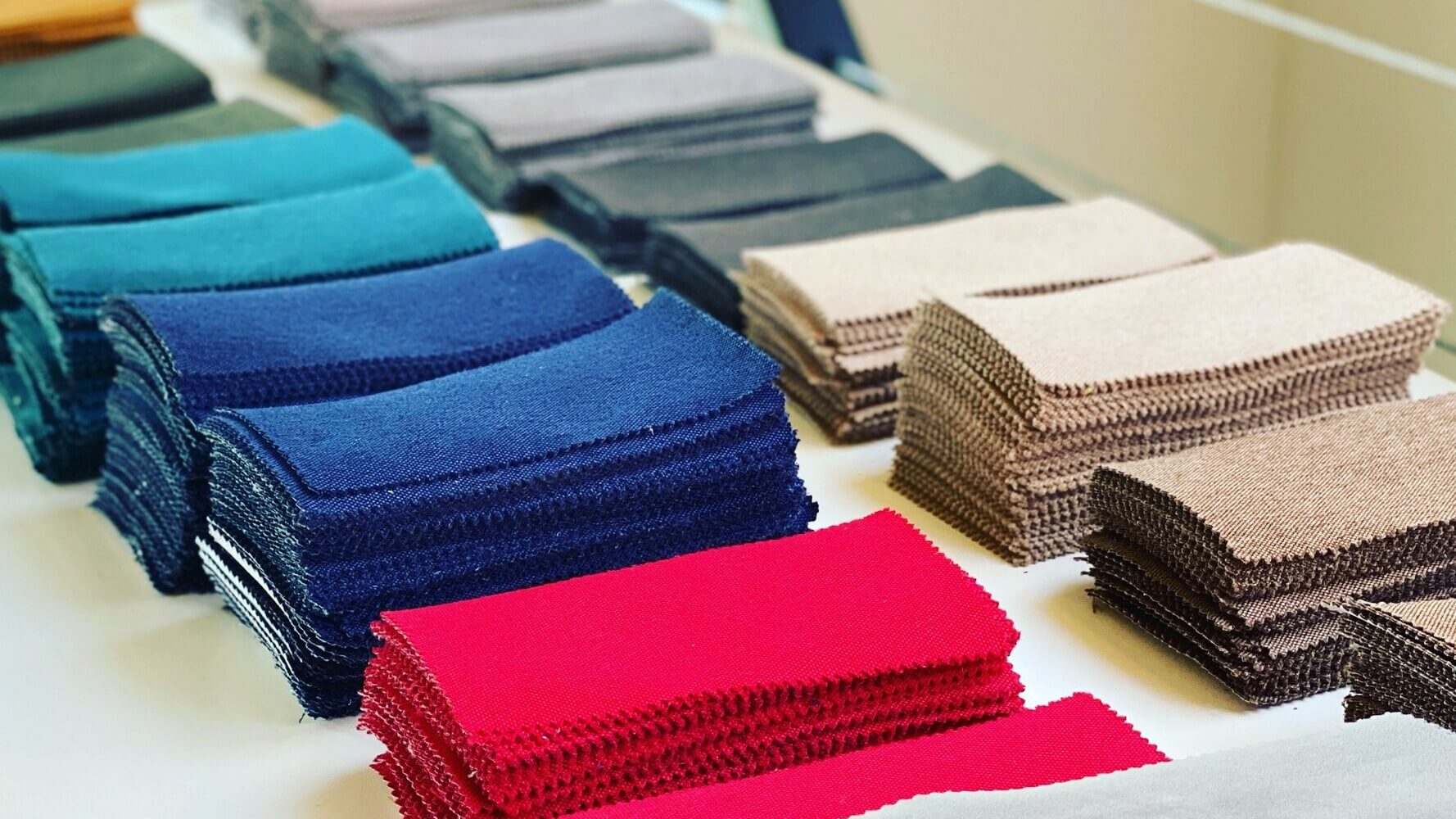
For your mood board, you'll need a large pinboard or a large piece of cardboard, glue or tape, scissors, photo prints, paint swatches, fabric scraps, and anything else that helps you visualize your design ideas. You can also look for inspiration online and print out images to add to your mood board.
Where to find materials for mood boards
There are many places where you can find materials for your mood board. Art supply stores, wallpaper samplers, furniture catalogs, and online design platforms are great sources for images, color swatches, and inspiration. Don't forget that you can also take your own photos of inspirations you discover on your travels.
Here is an example with different materials and colors:
Step-by-step instructions for creating a mood board
Now that you have all the materials, we can begin creating your mood board. Follow these steps:
Choosing the right colors and textures
The first step is to choose the colors and textures you want in your room. Look for images that represent your desired color palettes and materials. Cut them out and set them aside. Did you know that colors have different effects and meanings? Learn all about the psychology of color here.
Arrangement of elements on the mood board
Now it's time to arrange your selected images, color swatches, and textures on the mood board. Experiment with different layouts and consider how the elements fit together. You can attach them with glue or tape. Be creative and let your intuition guide you.
Tips and tricks for an effective mood board
An effective mood board can make a big difference in your room. Here are some tips and tricks to get the most out of your mood board:
How to create a coherent mood board
To create a cohesive mood board, ensure all elements complement each other. Experiment with different variations of colors, textures, and materials to achieve the best result. Also, make sure you have a balanced number of elements on your mood board.
Common mistakes when creating mood boards and how to avoid them
Several mistakes can occur when creating mood boards. Here are some common errors and how to avoid them:
- Overloading: Avoid cluttering your mood board. Keep it simple and focus on the most important elements.
- Lack of coherence: Make sure all the elements on your mood board harmonize with each other. Otherwise, it can look chaotic.
- Lack of focus: Focus on the purpose of your mood board. For example, if you're creating a mood board for the living room, you should focus on furniture and decor for that room.
The use of mood boards in different living spaces
Mood boards can be used in various living spaces to visualize your design ideas. Here are some ideas for using mood boards in different rooms:
Moodboards for the living room
When it comes to the living room, you can create a mood board to compare different designs for sofas , rugs , and wall decorations. Experiment with different colors and textures to find the perfect look for your living room.
Moodboards for the kitchen
Mood boards can be used in the kitchen to compare different color schemes for cabinets and countertops. You can also add inspiration for choosing kitchen utensils and appliances to your mood board.
Mood boards for the bedroom
In the bedroom, you can use mood boards to compare different ideas for bedding, colors, and lighting options. Experiment with different styles to create a calm and relaxing atmosphere.
Finally, I'd like to encourage you to create a mood board for your living spaces. It's a fun and creative way to explore your design ideas and ensure your decor looks harmonious. With the right materials and a little creativity, you can create a mood board that can become the heart of your home. Have fun creating!