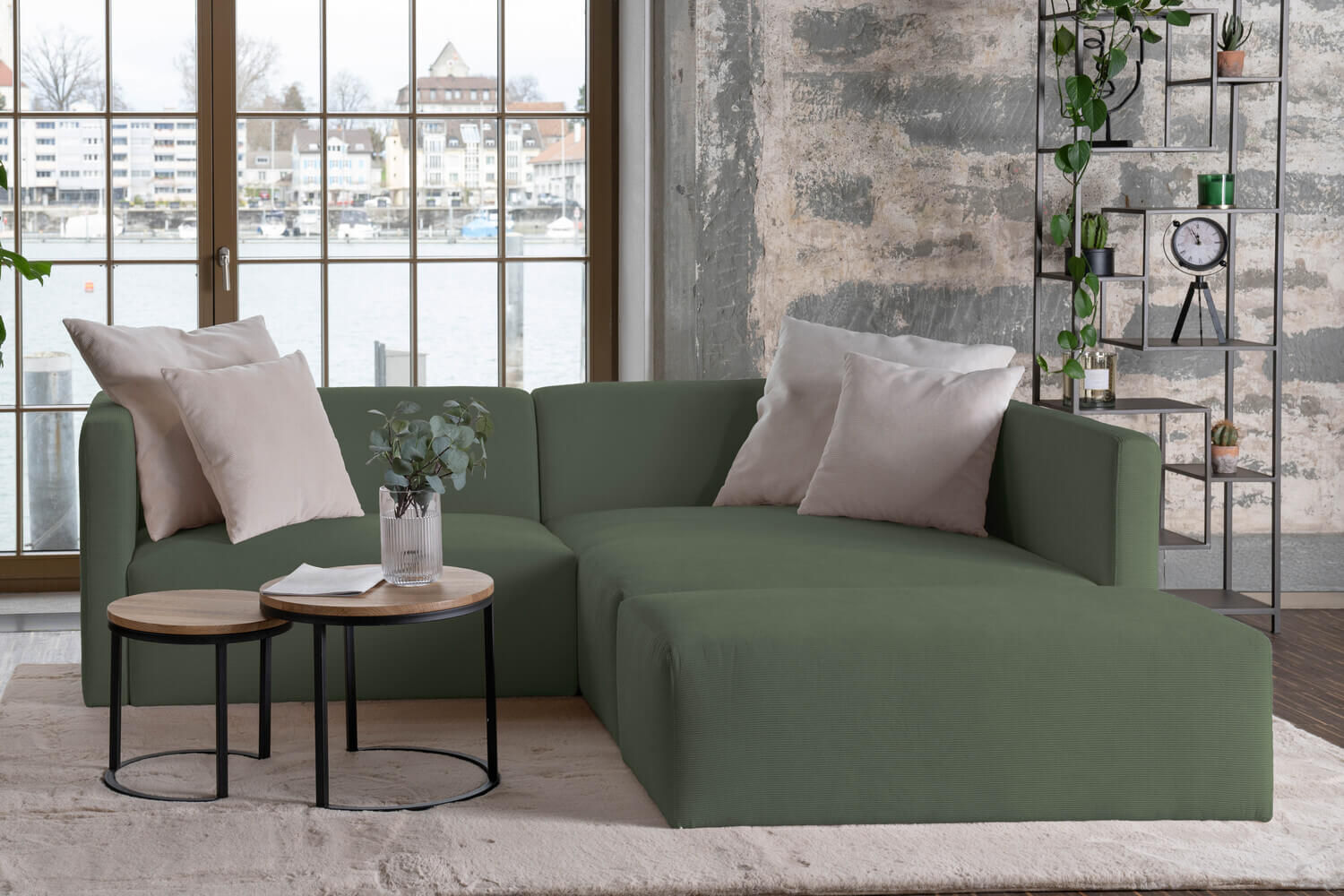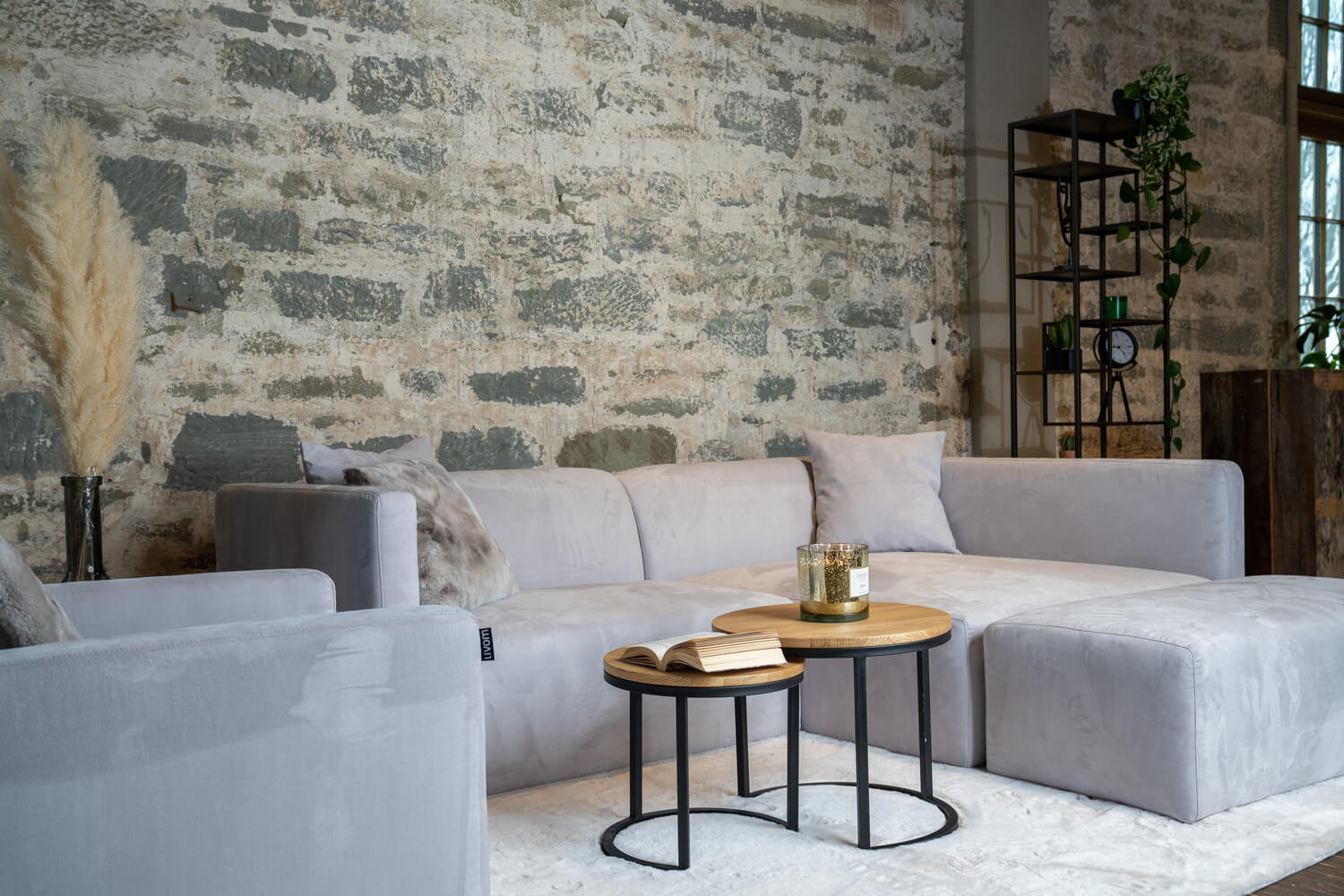
A rug can greatly influence the atmosphere and look of a living room. Choosing the right rug can add warmth and coziness to your space and perfectly complement the overall design. This guide provides all the information you need to select the perfect rug for your living room.
The importance of carpet choice for your living room
A rug plays a vital role in interior design and can significantly influence the ambiance of your living room. It not only serves as a visual focal point but also creates a pleasant atmosphere and improves the room's acoustics. With the right rug, you can give your living room a unique character and transform it into a cozy retreat.
Choosing a rug should be a well-considered decision, as it often remains in the living room for many years. Therefore, it's important to take various factors into account, such as the style of the room, your personal preferences, and the intended use of the rug.
When choosing a rug, you should also consider the size of the room. A rug that is too large can make the room feel cluttered, while a rug that is too small can make the room seem incomplete. It's important to find the right proportions to create a harmonious overall look.
How the carpet influences the ambience
The rug significantly contributes to the atmosphere of your living room. A high-pile, soft rug can lend the room a cozy and inviting feel, while a flat, durable rug supports a modern and minimalist look. Furthermore, the color of the rug can also influence the mood of the room. Light colors like white or beige make the room appear larger and more open, while darker colors like brown or black create an elegant and sophisticated atmosphere.
Another important aspect when choosing a rug is the material. Depending on your needs and preferences, you can choose between various materials such as wool, cotton, synthetics, or natural fibers. Each material has its own advantages and disadvantages, so it's advisable to learn about the properties of the different materials before buying.
The role of carpets in interior design
A rug can serve several functions in interior design. It can visually separate different areas in the living room, for example, the seating area from the dining area. Furthermore, a rug can also help to visually enlarge the room by drawing the viewer's eye outwards. If you have a small living room, you should choose a rug in a lighter shade to visually open up the space.
A rug can also serve as an accent piece, enriching a room with color and pattern. You can choose a rug that matches and complements your existing decor. If you have a neutral room, a striking rug can create a focal point and add personality to the space.
It's also important to keep an eye on the care and cleaning of your rug. Depending on the material and type of rug, different cleaning methods may be required. Make sure you follow the correct care instructions to ensure the longevity and beauty of your rug.
Different types of carpets and their properties
towards modern designs. Every type of carpet has its own characteristics and advantages. Here are some of the most popular types of carpets and what distinguishes them:
Oriental rugs:
Oriental rugs are known for their intricate craftsmanship and rich colors and patterns. They lend an exotic touch to any room and exude elegance and luxury. Oriental rugs are available in various sizes and designs, so you're sure to find one that perfectly suits your living room.

Wool carpets :
These carpets are known for their durability and natural beauty. They offer excellent heat and sound insulation and are quite resistant to wear and dirt. Wool carpets can be woven both by machine and by hand, and the quality can vary greatly depending on whether it is made of pure wool or a blend.
Cotton carpets :
Cotton rugs are soft and comfortable underfoot. They are easy to clean and usually machine washable, making them ideal for allergy sufferers and households with pets or children. Cotton rugs are generally less expensive and easier to clean than wool rugs. They are soft and come in a wide variety of colors and patterns.
Silk carpets :
Silk carpets are known for their soft texture and lustrous sheen. They are extremely dense and can feature intricately detailed patterns, making them a luxury item. Silk carpets are typically more expensive than other types of carpets. However, they are not as durable and are better suited to low-traffic areas.
Sisal and jute carpets :
This type of carpet is known for its durability and natural appearance. Sisal carpets are resilient and therefore well-suited for high-traffic areas. However, they are not particularly soft underfoot and can be difficult to clean if spilled.
Synthetic carpets :
These include materials such as polypropylene, nylon, and polyester. Synthetic carpets are very durable and stain-resistant. They also tend to be less expensive than natural carpets. These carpets are a good choice for high-traffic areas or households with children or pets.
Persian carpets :
Persian rugs are traditional carpets known for their detailed patterns and high-quality craftsmanship. They are usually made of wool or silk and can represent a significant investment, but often last for generations.

Berber carpets
Berber rugs, named after the Berber tribes of North Africa, are known for their robust looped weave and durability. Traditionally made of wool, modern Berber rugs are often constructed from resilient synthetic materials. These rugs typically come in neutral colors and feature a simple, minimalist design. They are stain-resistant and hold their shape well, making them easy to care for. However, they can flatten under heavy foot traffic. Overall, Berber rugs are a durable and stylish choice for many living spaces.
Shaggy or high-pile carpets :
These rugs are known for their characteristically long and loose fibers, which create a soft and "fluffy" texture. They are highly valued for their comfortable and luxurious feel underfoot and are often a focal point in any room where they are placed.
Here is an example of our Logan high-pile carpet - cuddly, cozy and soft.

The right rug size for your living room
The size of the rug is an important factor when choosing one, as it affects the overall look of the room. A rug that is too small can make the room feel unbalanced, while a rug that is too large can make the room feel cramped. Here are some tips on how to determine the ideal rug size for your living room:
How to determine the ideal rug size
To determine the ideal rug size for your living room, you should consider the furniture in the room. A common approach is to place the rug under the coffee table and ensure that the front legs of sofas and armchairs are on the rug. This creates a harmonious connection between the furniture and the rug and defines the seating area. If you opt for a larger rug, you can also include the dining table to define the dining area.
Tips for placing the rug
When placing the rug, you should also consider the room layout and traffic flow in the living room. Make sure the rug provides enough space so you can easily move around the furniture. If you have an open floor plan, you can use the rug to visually separate different areas, for example, the living area from the dining area.
Another important aspect when choosing the right rug size is the style of the room. If you prefer a modern and minimalist look, you can opt for a smaller rug that focuses attention on the design of the furniture. On the other hand, if you prefer a cozy and traditional look, a larger rug can make the room feel warmer and more inviting.
Furthermore, you should also consider the color and pattern of the rug. A light-colored rug can make a room appear larger and airier, while a dark rug can add depth and coziness. The rug's pattern can also greatly influence the overall impression of the room. A geometric pattern can create a modern and dynamic look, while a floral pattern can make the room feel more romantic and playful.
When choosing the right rug size, you should also consider your personal taste and style . A rug can be a statement piece and complement a room in a unique way. Take your time to look at different options and choose the rug that best suits your living room.
Choosing the color and pattern of the carpet
The color and pattern of your rug can greatly influence the atmosphere in your living room. Here are some things to consider when choosing the color and pattern of your rug:
Color psychology: How colors influence mood
Colors have the power to influence emotions and moods. Bright and warm colors like yellow or orange can give your living room a cheerful and inviting atmosphere, while cool tones like blue or green can have a relaxing effect. Consider the effect you want to achieve with your rug and choose the color accordingly. Want to learn more about the psychology of color ? Then click here .
For example, if you have a living room that gets a lot of natural light, you can create a sunny and vibrant atmosphere with a rug in warm colors like yellow or orange. These colors can brighten the room and make it feel more inviting. On the other hand, if your living room is rather shady and you want to create a calming atmosphere, you can opt for a rug in cool tones like blue or green. These colors can give the room a peaceful and relaxed feel.
Patterns and designs: From geometric to floral
The pattern and design of your rug can reflect the character of your living room. A geometric pattern lends the room a modern and contemporary feel, while a floral pattern creates a romantic and playful atmosphere. Consider which style you prefer and which patterns best suit your room layout or decor.
A geometric pattern can add a touch of elegance and sophistication to your living room. It can also help to emphasize clean lines and structures in the space. However, if you prefer a more playful look, a rug with a floral pattern might be the right choice. This pattern can lend the room a romantic and charming atmosphere.
Remember that the rug's pattern should harmonize with other elements in your living room. Consider your existing furniture, curtains, and wall colors, and choose a pattern that complements them. A well-coordinated pattern can unify the room and create a harmonious overall look.
Care and maintenance of your carpet
To extend the lifespan of your carpet and keep it in top condition, proper care and maintenance are essential. Here are some tips on how to care for your carpet correctly:
A rug can be a real highlight in your home. It adds warmth and coziness to rooms and can be a real eye-catcher. However, to keep your rug looking beautiful for a long time, regular care is necessary.
Regular cleaning of your carpet is important to remove dirt and dust and keep the colors vibrant. Vacuum your carpet at least once a week to remove dirt particles. For best results, use a vacuum cleaner with a special carpet attachment to remove even deeply embedded dirt.
For stains, you should act quickly and treat them with a mild detergent and a clean cloth to prevent them from setting into the carpet. However, test the cleaning agent on an inconspicuous area of the carpet beforehand to ensure it doesn't fade the colors or damage the carpet.
How to extend the lifespan of your carpet
To extend the life of your rug, protect it from direct sunlight, as this can cause the colors to fade. Also, avoid placing heavy furniture on the rug, as this can lead to indentations and deformation. If possible, rotate the rug every few months to distribute wear evenly.
Another important aspect of caring for your carpet is regular professional cleaning. You should have your carpet professionally cleaned once a year to remove ingrained dirt and stubborn stains. Professional cleaning can also help refresh the carpet fibers and give it a new look.
Remember that choosing the right carpet underlay plays an important role in the care of your carpet. A good carpet underlay not only protects your carpet from wear and tear, but also improves acoustics and prevents the carpet from slipping.
By following these tips for caring for and maintaining your carpet, you can ensure that it remains beautiful and brings you joy for many years to come.
Summary: The perfect rug for your living room
When choosing the perfect rug for your living room, you should consider your individual preferences, the style of the room, and the size of the rug. It will not only cover the floor but also add warmth and coziness to your room. Here is a checklist to help you choose the right rug:
Checklist for buying a carpet:
- Which style do you prefer (modern, classic, oriental)?
- Which color best suits your room design?
- What size living room do you need?
- Which materials do you prefer (wool, silk, synthetic fibers)?
- What is your budget for buying a carpet?
Avoid common mistakes when buying a carpet:
- Choosing a rug that is too small will make the room appear unbalanced.
- Do not match the color and pattern of the carpet to the room design
- Ignoring the carpet's care requirements
- Buying a carpet without adequately checking its quality and workmanship
- Exceeding the budget and causing financial inconvenience
With these tips and information, you can ensure you find the perfect rug for your living room. Take your time to explore different options and let your own style and taste guide you. A high-quality rug can not only add the finishing touch to your living room but also be a cozy retreat in your home.
Another important aspect when choosing a rug is considering room acoustics. A thick rug can help absorb sound in the room, creating a more pleasant sound environment. So, if you have a living room that often serves as a gathering place for family and friends, a rug can be a good choice for optimizing the room's acoustics.

Furthermore, when choosing a carpet, you should also consider the underfloor heating in your living room. Not all carpets are suitable for use with underfloor heating, as some can block the heat. Therefore, before buying, find out about suitable materials and make sure that the carpet is approved for use with underfloor heating.
Another important factor is the rug's durability. A high-quality rug, such as our Logan rug , can last for many years and bring you lasting enjoyment. Therefore, pay attention to the quality of the materials and the rug's craftsmanship. Some materials, like wool, are known for their durability and their ability to retain their shape and color over a long period.
Choosing a rug with a striking pattern can add an interesting accent to your living room. A geometric pattern, for example, can create a modern and contemporary look, while an oriental pattern brings a touch of exoticism to the room. Experiment with different patterns and see which one best suits your living room.
Ultimately, it's important to view buying a rug as an investment. A high-quality rug can increase the value of your living room and bring you joy for many years. Therefore, take the time to compare different options and make an informed decision that suits your needs and budget.